
Understanding Water Leak Detection
What Does a Water Leak Detection Specialist Do?
A water leak detection specialist plays a crucial role in identifying and resolving leaks in various environments, including residential, commercial, and industrial settings. They utilize advanced equipment and methodologies to detect leaks that may not be visible to the naked eye. Their responsibilities encompass inspecting properties for potential leaks, conducting pressure tests, using electronic leak detection methods, and providing repair recommendations.
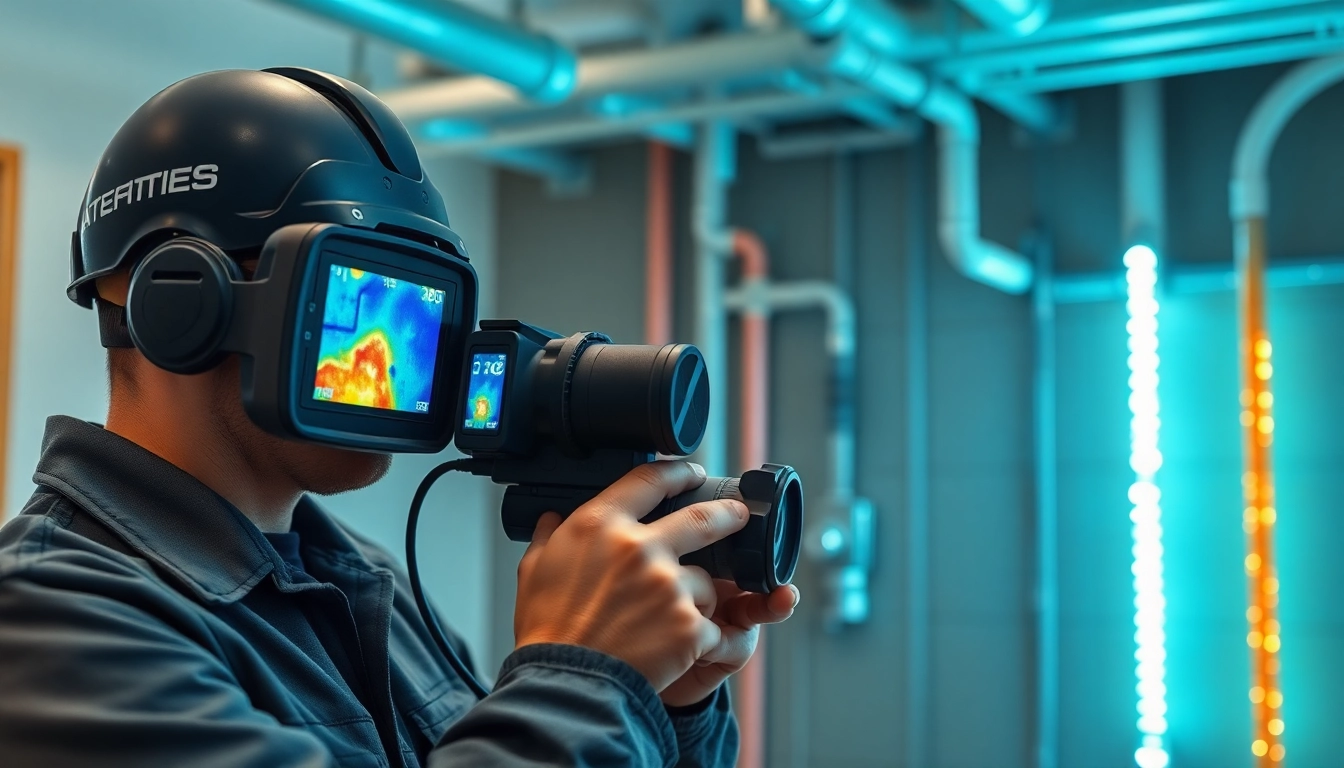
These specialists are not just plumbers; they are experts trained in specific technologies designed to locate leaks quickly and efficiently. Often, the detection process involves the use of thermal imaging cameras, acoustic sensors, and moisture meters, allowing them to pinpoint issues with minimal disruption to the property.
The Importance of Early Leak Detection
Early water leak detection is vital for preventing extensive property damage and significant repair costs. Failure to identify leaks promptly can lead to structural damage, mold growth, and higher utility bills. For instance, a small leak can waste thousands of gallons of water annually, reflecting poorly on both environmental conservation efforts and household financial health.
Moreover, many insurance policies require homeowners to take preventative measures, including regular inspections so as to mitigate loss from water damage claims. Engaging with a water leak detection specialist ensures that potential issues are caught early, thus safeguarding your investment.
Common Types of Water Leaks
Water leaks can manifest in various forms, and understanding these can help homeowners to take preventive measures. Some common types include:
- Plumbing Leaks: These occur in pipes, fittings, and fixtures within the home. They may be caused by aging infrastructure, faulty fittings, or even tree roots invading underground pipes.
- Slab Leaks: Found beneath the concrete slab of a building, these leaks can be particularly challenging and costly as they may lead to flooding and foundation issues.
- Roof Leaks: Often a result of damaged shingles or flashing, these leaks can escalate quickly during rainstorms, leading to interior damage.
- Basement Leaks: Given their location, basements are prone to leaks from groundwater, pipes, or even rainwater seepage.
Recognizing the Signs of a Leak
Visual Indicators of Water Leaks
Homeowners often miss subtle signs of leaks until substantial damage has occurred. Recognizing early indicators is crucial. Look for:
- Water stains on walls or ceilings.
- Peeling paint or bubbling wallpaper.
- Mold growth in unexpected areas.
- Wet spots or puddles in unusual locations.
Water Usage Trends to Monitor
Unusually high water bills can signal hidden leaks. By regularly monitoring your water usage through your utility bills and comparing them to previous months or years, you may catch discrepancies that indicate the presence of an undetected leak.
Sound and Smell: Unusual Telltale Signs
Sometimes leaks can also be identified by sound. A consistent dripping or running water sound when fixtures are off can hint at a leak. Additionally, an unusual musty smell may indicate mold growth stemming from a hidden water problem.
Benefits of Hiring a Water Leak Detection Specialist
Advanced Technology and Techniques
Water leak detection specialists leverage advanced technology such as infrared thermography, acoustic detection, and tracer gas methods. These tools facilitate quick and accurate detection while minimizing damage to your property. For example, thermal imaging can identify temperature differences in walls, suggesting hidden water damage behind the surface.
Cost-Effective Solutions and Long-Term Savings
While the initial cost of hiring a specialist may seem daunting, the long-term savings often outweigh these initial expenses. Early leak detection can significantly diminish the cost of repairs. Homeowners can avoid water damage restoration expenses, mold remediation costs, and increased utility bills, resulting in notable financial savings over time.
Minimizing Property Damage
Engaging with professionals reduces the risk of long-term damage to your home. Quick leak identification ensures that potential structural issues, such as weakened foundations or dry rot, are avoided or addressed early, preserving your property’s integrity.
What to Expect During a Water Leak Investigation
Initial Assessment and Inspection
During the initial consultation, a specialist will assess both the interior and exterior of your property, looking for visual cues and reviewing your water usage history. This stage is critical to understanding the potential severity of the problem.
Leak Detection Tools and Methods
After the initial assessment, the specialist will employ various leak detection methods tailored to your property. They may utilize:
- Acoustic Listening Devices: Devices that detect the sound of water escaping from pipes.
- Infrared Cameras: These visualize temperature variations caused by moisture levels.
- Moisture Meters: Instruments that measure the humidity content in building materials.
Post-Detection Plans and Recommendations
Once leaks are detected, the specialist will provide a comprehensive report, including suggested repair options and preventive measures for the future. This may include recommendations for replacing damaged pipes, sealing leaks, or installing moisture detection systems to prevent future issues.
Choosing the Right Water Leak Detection Service
Qualities of a Reliable Specialist
Selecting a knowledgeable and experienced water leak detection specialist is essential. Key qualities to look for include:
- Certifications and licenses that validate their skills and training.
- Experience in the field, particularly with your type of building.
- User-friendly customer service that provides transparency in communication.
Questions to Ask Before Hiring
Before making a hiring decision, consider asking these critical questions:
- What methods and technologies do you use for leak detection?
- Can you provide references from past clients?
- What fees can I expect for your services?
Reading Reviews and Testimonials
Explore online reviews and testimonials to gauge the satisfaction level of previous customers. Reliable specialists should have a positive track record reflected in their client experiences and outcomes. Websites such as Yelp or Google Reviews can serve as excellent resources to gather this information.