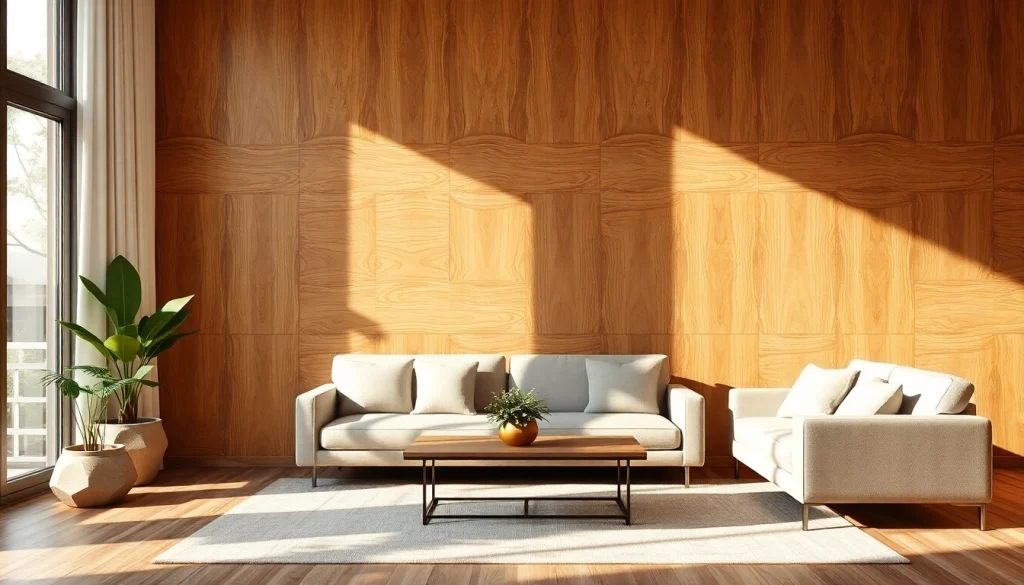
Understanding Wall Panelling Sheets
What Are Wall Panelling Sheets?
Wall panelling sheets are versatile construction materials used to enhance the aesthetic and functional attributes of walls in homes and commercial spaces. Comprising various materials such as wood, PVC, MDF, and more, these sheets are designed to provide a decorative overlay, insulation, soundproofing, and even protection against wear. Often used as an alternative to traditional plaster and paint, wall panelling sheets bring a modern touch to interior design while simplifying the building process. Homeowners and designers frequently turn to wall panelling sheets for their durability and ease of installation.
Types of Wall Panelling Sheets
Understanding the different types of wall panelling sheets available can significantly influence your choice. Here, we explore several popular options:
- Wood Panels: Classic and timeless, wood panels offer warmth and character to any room. Available in various finishes, they can cater to both modern and traditional designs.
- PVC Panels: Light and easy to maintain, PVC panels are waterproof and ideal for areas susceptible to moisture, such as bathrooms and kitchens.
- MDF Panels: Medium-density fiberboard panels are a cost-effective choice, providing a smooth surface that can be painted or veneered to match any decor.
- Metal Panels: Featuring a sleek, industrial finish, metal panels are gaining popularity for modern interiors and can also provide added durability.
- Acoustic Panels: These specially designed panels enhance sound quality in spaces like recording studios and home theaters, absorbing sound waves effectively.
Benefits of Using Wall Panelling Sheets
Choosing wall panelling sheets comes with a host of benefits that make them an appealing option for both residential and commercial spaces:
- Aesthetic Appeal: They dramatically improve the visual impact of a space, enhancing its overall charm and sophistication.
- Ease of Installation: Unlike traditional wall treatments, wall panelling sheets are relatively easy to install, often requiring minimal professional help.
- Durability: Many materials used in wall panelling are resistant to scratches and dents, ensuring a longer lifespan compared to conventional paint or wallpaper.
- Sound Insulation: Particularly with acoustic panels, soundproofing benefits can be achieved, making spaces quieter and more comfortable.
- Insulation: Wall panelling can provide additional insulation, helping to regulate indoor temperatures which can lead to lower energy costs.
Choosing the Right Wall Panelling Sheets for Your Space
Factors to Consider When Selecting Wall Panelling Sheets
When selecting wall panelling sheets, consider several factors to ensure your decision complements your space and needs:
- Purpose of the Space: Determine whether the area will be a high-traffic zone needing durability or a serene sanctuary requiring calming materials.
- Aesthetic Compatibility: Choose materials that align with your existing decor style—be it rustic, modern, or eclectic.
- Moisture Levels: For areas like bathrooms and kitchens, opt for moisture-resistant materials such as PVC or treated wood.
- Budget Constraints: Wall panelling sheets vary in cost; establish a budget to guide your selections while achieving the desired impact.
- Maintenance Requirements: Assess how much upkeep different materials require and select one that aligns with your lifestyle.
How to Match Wall Panelling Sheets with Your Decor
To effectively match wall panelling sheets with your existing home decor, consider the following tips:
- Color Coordination: Choose colors that either complement or provide a striking contrast to your existing palette.
- Texture Diversity: Mixing different textures can create visual interest. For instance, pairing smooth panels with textured fabrics can enhance depth.
- Style Harmony: Ensure that the style of the panels aligns with other elements in the room for cohesive design.
- Focal Points: Use wall panelling sheets to create statement walls that draw attention without overwhelming other decor elements.
Top Color Options for Wall Panelling Sheets
The choice of color can dramatically influence the atmosphere of your space. Here are some popular color options for wall panelling sheets:
- Neutrals: Whites, creams, and greys offer a timeless look that suits any style.
- Pastels: Soft pastels create a calming effect, ideal for bedrooms and living areas.
- Bold Colors: Deeper hues like navy blue or charcoal can add sophistication and drama to contemporary settings.
- Natural Wood Tones: Selecting various wood finishes can enhance warmth and texture, connecting indoors with nature.
Installation Process of Wall Panelling Sheets
Preparing Your Walls for Wall Panelling Sheets
Before installation, proper preparation of your walls is crucial. Begin by following these steps:
- Clean the Surface: Ensure the wall surface is clean, dry, and free from dust or previous wallpaper remnants.
- Repair Damages: Fill in any holes or imperfections with patching compound and sand the area smooth.
- Measure for Accuracy: Take precise measurements of the walls to determine how many sheets will be required.
- Select Adhesive: Choose an appropriate adhesive depending on the type of wall and panelling material.
DIY vs. Professional Installation of Wall Panelling Sheets
Deciding between a DIY approach or hiring professionals largely depends on your skills and the complexity of the installation. Here are the pros and cons of each:
- DIY Installation: This can save money and offer a sense of personal achievement. However, it requires careful planning, and the finished look may depend on your skill level.
- Professional Installation: Hiring professionals ensures a high-quality finish and often faster completion. The downside can be higher costs.
Tools Needed for Installing Wall Panelling Sheets
The right tools are essential for a seamless installation. Here are the primary tools you will need:
- Measuring tape
- Utility knife or panel saw
- Level
- Caulk gun for adhesive
- Nails or screws (depending on the type of panelling)
- Drill and sander
Maintaining and Caring for Your Wall Panelling Sheets
Cleaning Tips for Wall Panelling Sheets
Regular cleaning can help maintain the appearance and longevity of wall panelling sheets. Here are some cleaning tips:
- Dust Regularly: Use a microfiber cloth to wipe away dust and grime.
- Use Mild Cleaners: For deeper cleaning, use a solution of mild soap and water, avoiding aggressive chemicals that may damage the surface.
- Spot Clean Stains: Address stains as soon as they occur to prevent them from setting.
Preventing Damage to Wall Panelling Sheets
Taking preventative measures can help avoid damage to your wall panelling sheets:
- Maintain humidity levels to prevent warping.
- Avoid placing heavy objects against the walls to prevent dents and scratches.
- Use coasters or mats for items resting on or against the panels.
Long-term Care for Wall Panelling Sheets
For long-term upkeep, consider the following care tips:
- Reapply finishes or stains as necessary to maintain aesthetics.
- Inspect for any signs of wear or damage regularly and address issues promptly.
- Protect panels from harsh sunlight to prevent fading over time.
Frequently Asked Questions About Wall Panelling Sheets
Are Wall Panelling Sheets Easy to Install?
Yes, wall panelling sheets are generally easy to install. With proper measurements and tools, many homeowners can complete the installation themselves.
Can I Paint Wall Panelling Sheets?
Yes, wall panelling sheets can be painted, allowing for customization to match your decor. Ensure the surface is cleaned and primed before painting.
How Do Wall Panelling Sheets Affect Room Acoustics?
Some wall panelling sheets, especially acoustic ones, absorb sound waves, improving room acoustics by reducing echo and creating a quieter environment.
What Are Good Alternatives to Wall Panelling Sheets?
Alternatives include wallpaper, plaster, and paint, each offering various aesthetic and functional benefits, depending on the desired outcome.
How Durable Are Wall Panelling Sheets?
Wall panelling sheets are highly durable, especially materials like wood and PVC, which can withstand wear and tear over time with proper care.