
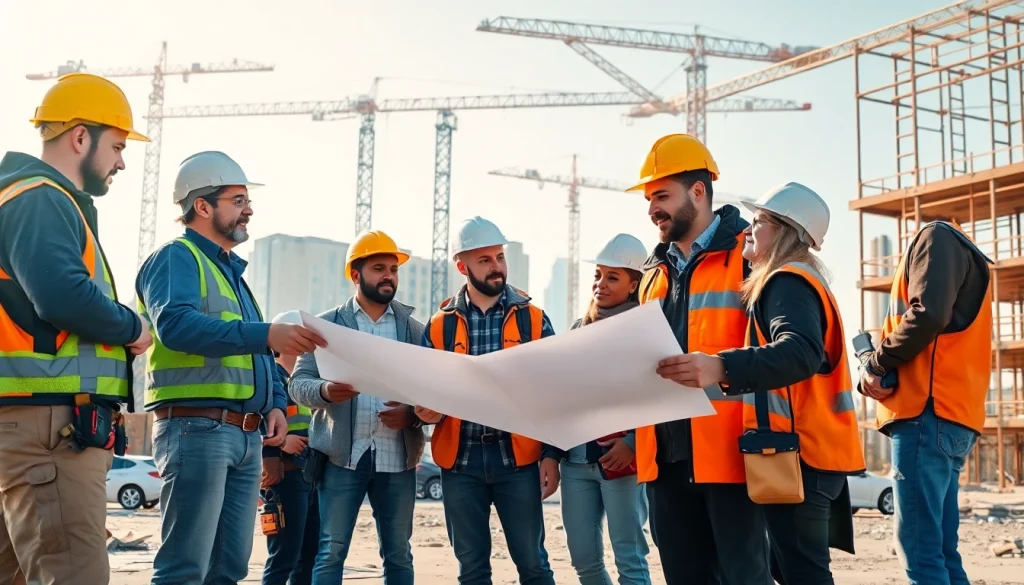
Overview of Careers in Construction
The construction industry is a dynamic sector that plays a critical role in the development and maintenance of infrastructure, residential, and commercial properties. Those exploring Careers in construction will find an array of opportunities that span various disciplines, from hands-on trades to administrative roles. This industry is not just about building structures; it is about creating environments that enhance the quality of life for individuals and communities.
What Does a Career in Construction Entail?
A career in construction involves a broad spectrum of activities related to the design, planning, execution, and maintenance of structures. Professionals may find themselves engaged in tasks such as drafting blueprints, coordinating project timelines, managing client relationships, or performing skilled trades. The nature of the work can vary significantly based on the specific role, whether it is an architect designing new buildings, a project manager overseeing operations, or a laborer handling physical tasks on-site.
Key Skills Required for Success
Success in construction requires a unique blend of technical, managerial, and interpersonal skills. Key competencies often include:
- Technical Proficiency: Knowledge of tools, machinery, construction methods, and building codes.
- Project Management: Ability to plan, execute, and oversee projects within time and budget constraints.
- Problem-Solving: Strong analytical skills to address issues as they arise during the construction process.
- Communication: Effective collaboration with team members, clients, and stakeholders is crucial.
- Attention to Detail: Precision in measurements and adherence to safety standards to prevent costly errors.
Industries Within the Construction Field
The construction sector is diverse, comprising various industries. Some of the primary segments include:
- Residential Construction: Involves the building of homes and apartments.
- Commercial Construction: Focuses on office buildings, shopping centers, and warehouses.
- Civil Engineering: Encompasses infrastructure projects like roads, bridges, and public facilities.
- Industrial Construction: Includes factories and large-scale manufacturing plants.
- Specialty Trades: Services such as electrical, plumbing, and HVAC installation.
Pathways to Entering the Construction Industry
Educational Requirements and Certifications
While some positions in construction require formal education, many trades are accessible through vocational training or apprenticeships. Common routes include:
- High School Diploma: Essential for most entry-level positions; students may take relevant courses in mathematics, drafting, or technology.
- Post-Secondary Education: Degrees in construction management, civil engineering, or architecture can open doors to advanced opportunities.
- Certifications: Accreditations from recognized organizations can enhance employability and expertise, particularly in specific trades.
Apprenticeship Programs Available
Apprenticeships are a vital pathway for many aspiring construction professionals. These programs combine on-the-job training with classroom instruction, providing participants with hands-on experience. Available apprenticeships often include:
- Electricians
- Plumbers
- Carpenters
- Masons
- HVAC Technicians
Apprenticeships can range from two to five years, lasting until participants obtain certification in their chosen trade.
Networking and Finding Opportunities
Networking is critical in the construction industry, where personal connections can lead to job placements and projects. Professionals should consider:
- Industry Events: Attending job fairs, workshops, and trade shows can help build valuable contacts.
- Professional Organizations: Joining associations related to construction can provide resources and connections.
- Online Platforms: Leveraging social media and networking sites to connect with industry professionals and showcase skills.
Advantages of Pursuing Careers in Construction
Job Stability and Growth Prospects
The construction industry is known for its robust job stability, particularly during economic growth periods. Demand for skilled laborers, project managers, and engineers tends to rise as infrastructural development intensifies.
Impact on Community Development
Careers in construction significantly contribute to community development. Professionals in this sector help build houses, schools, and hospitals, enhancing economic wellbeing and quality of life in local areas. The impact of successful construction projects can transform neighborhoods into thriving communities.
Potential Salary Expectations
Salaries in the construction industry can vary based on the role and location but are generally competitive. Entry-level positions might start at a lower wage, while experienced trades professionals, project managers, or engineers can earn significantly more. Salary figures can also be influenced by the specific trade, level of experience, and demand in the local job market.
Challenges in the Construction Field
Safety Concerns and Regulations
Safety remains a primary concern in the construction industry. Adhering to OSHA regulations and ensuring proper training can minimize risks. Continuous education on evolving safety standards is critical for all professionals in the sector.
Managing Work-Life Balance
The demanding nature of construction projects often results in long hours, which can strain personal life. Effective time management and communication with employers about workload expectations are essential for maintaining a healthy balance.
Dealing with Project Delays and Budget Constraints
Unforeseen delays due to weather, supply chain issues, or labor shortages can impact project timelines. Effective project management skills and risk assessment strategies are vital to navigating these challenges and ensuring projects stay within budget.
Future Trends in the Construction Industry
Embracing Technology and Automation
The use of technology in construction is rapidly evolving. From Building Information Modeling (BIM) to robotics and drones, technology improves efficiency and reduces errors on-site. Professionals who embrace and adapt to new technologies are likely to thrive in the future job market.
Sustainability Practices in Construction
As environmental concerns grow, sustainability practices are gaining prominence within construction. This includes the use of eco-friendly materials, energy-efficient designs, and green building certifications. Careers focused on sustainable building practices are on the rise.
Emerging Industries and Job Roles
With the demand for infrastructure modernization, new industries are emerging within construction, such as smart building technology and renewable energy installations. This shift creates opportunities for new roles requiring specialized skills, making adaptability key for those looking to enter the field.
Frequently Asked Questions
What types of jobs are available in construction?
Careers in construction include roles such as project manager, architect, and skilled trade positions like electricians and plumbers.
How does one start a career in construction?
Starting a career often involves obtaining relevant education, seeking apprenticeships, or entry-level positions to gain experience.
What are the most in-demand skills for construction workers?
Skills such as project management, technical abilities, and knowledge of safety regulations are highly valued in the construction industry.
What is the average salary for construction professionals?
Average salaries vary widely based on role and experience, but many construction jobs provide competitive pay and benefits.
How does technology impact careers in construction?
Technology enhances efficiency and safety; skills in software for project management and tool operation are becoming increasingly important.