Understanding Structural Steel Fabrication
Definition and Importance of Structural Steel Fabrication
Structural steel fabrication is a critical process in construction that involves the cutting, shaping, and assembly of steel components to form structures. This method enhances not only the strength but also the durability and flexibility of infrastructures such as bridges, buildings, and industrial facilities. The significance of structural steel fabrication lies in its ability to create frameworks that can withstand various stresses, ensuring safety and performance under various conditions.
The modern construction landscape heavily relies on structural steel fabrication, as steel provides a combination of high tensile strength and versatility. Furthermore, steel’s adaptability means it can be easily altered or expanded upon as project requirements evolve. This iterative nature of steel fabrication makes it a preferred choice among engineers and architects.
Common Materials Used in Structural Steel Fabrication
There are several key materials employed in structural steel fabrication, each catering to specific engineering needs:
- Mild Steel: Known for its ductility and weldability, mild steel is commonly used in a variety of applications due to its ability to absorb stress without breaking.
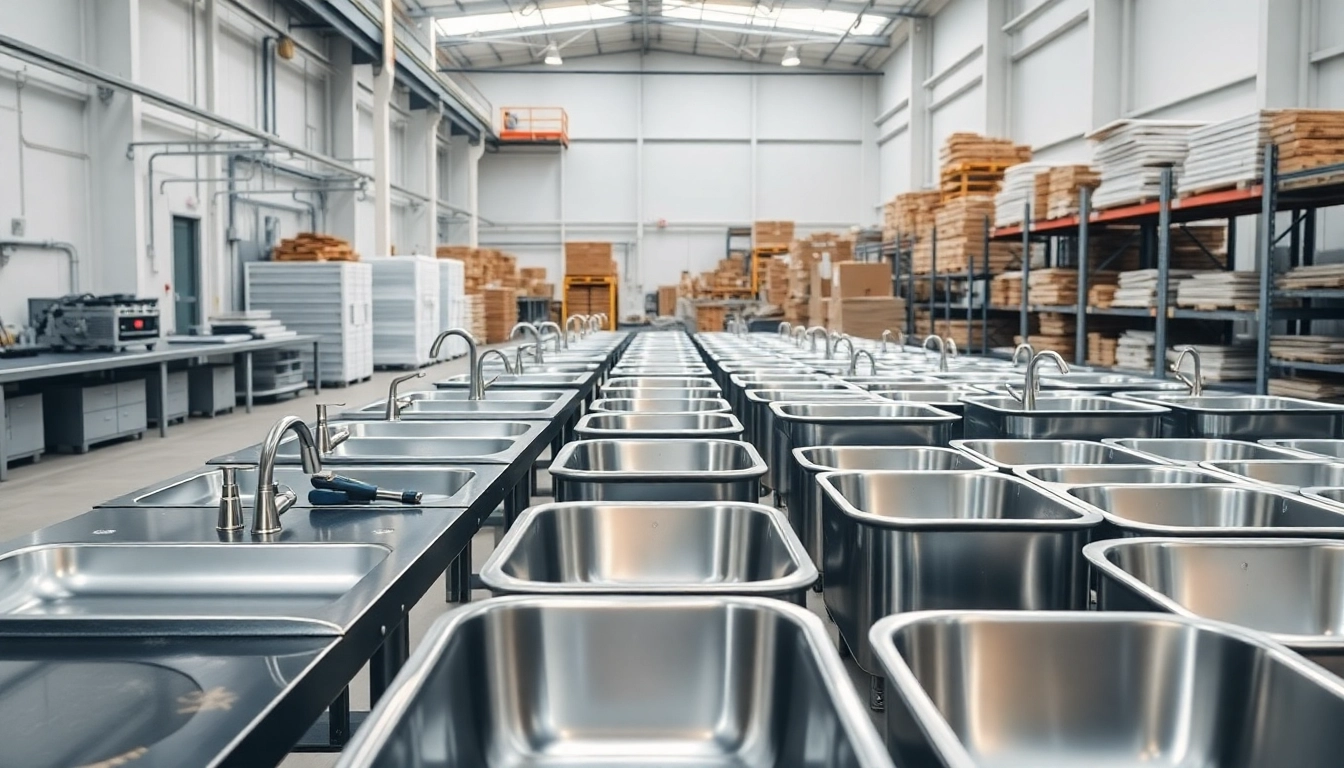
- Stainless Steel: Corrosion-resistant and aesthetically pleasing, stainless steel is ideal for projects requiring both strength and durability, particularly in environments prone to moisture.
- Carbon Steel: This material is preferred for its high strength-to-weight ratio and is often used in applications where load-bearing capabilities are essential.
- Aluminum: Lightweight and resistant to corrosion, aluminum is particularly useful in industries that prioritize weight reduction, such as aerospace and automotive.
Basic Equipment Required
The fabrication process incorporates a variety of tools and machinery essential for efficiency and precision:
- CNC Machines: Computer Numerical Control machines enable precision cutting, drilling, and shaping of steel, minimizing errors.
- Welding Equipment: MIG, TIG, and stick welding apparatus are pivotal in joining steel components securely.
- Plate and Angle Shears: These machines are used to cut plates and angles into desired shapes as per the specifications.
- Press Brakes: Essential for bending steel plates to required angles or shapes, allowing for versatility in structural design.
Key Techniques in Structural Steel Fabrication
Welding Methods for Structural Steel Fabrication
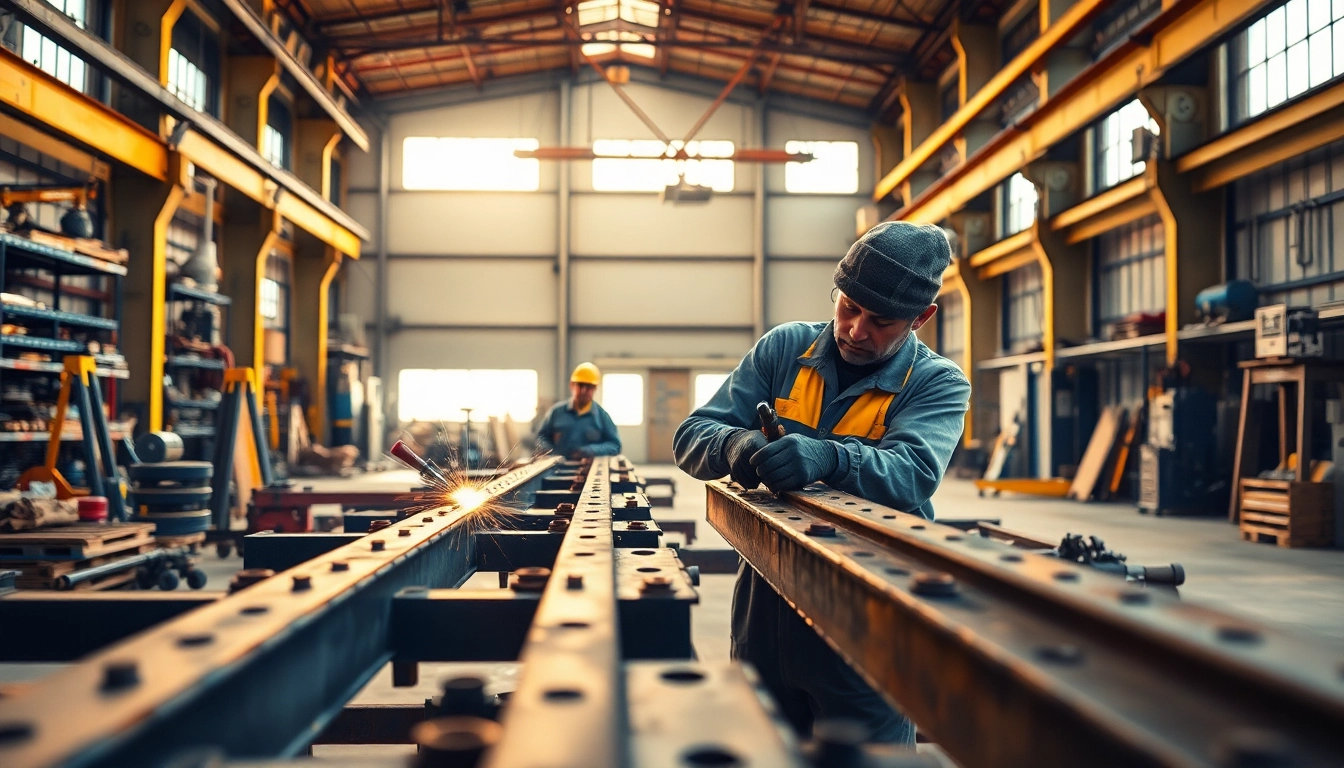
Welding is fundamental in structural steel fabrication as it ensures that joints between metal components are secure and robust. The most common welding techniques include:
- MIG Welding: Known for its speed and versatility, MIG (Metal Inert Gas) welding is often used for projects that require high production rates. It enables continuous wire feeding, resulting in a stable arc and reduced cleanup time.
- TIG Welding: This method is ideal for making precise, clean welds. TIG (Tungsten Inert Gas) welding is typically used for thin sections of stainless steel and aluminum, providing superior control and quality.
- Stick Welding: A cost-effective and widely used method, stick welding (or SMAW – Shielded Metal Arc Welding) is effective in outdoor settings and in unfavorable conditions.
Cutting Techniques and Technologies
Proper cutting techniques play a significant role in ensuring the accuracy of fabricated structures. Common methods include:
- Plasma Cutting: Utilizes a high-velocity jet of ionized gas to cut through metal. It is effective for various thicknesses and is particularly valued for its speed.
- Oxy-Fuel Cutting: Involves using fuel gas and oxygen to cut metals. This method is traditionally used for thicker materials and provides good control in cutting.
- Laser Cutting: Offers high precision and minimal thermal distortion, making it suitable for intricate designs and detailed work.
Assembly and Erection Best Practices
The final step in structural steel fabrication is the assembly and erection of the steel framework. Best practices include:
- Thorough Planning: Before beginning assembly, a detailed plan, including blueprints and structural integrity assessments, should be in place.
- Safety Protocols: Ensure all safety measures are followed, including the use of personal protective equipment (PPE) and proper site management to avoid accidents.
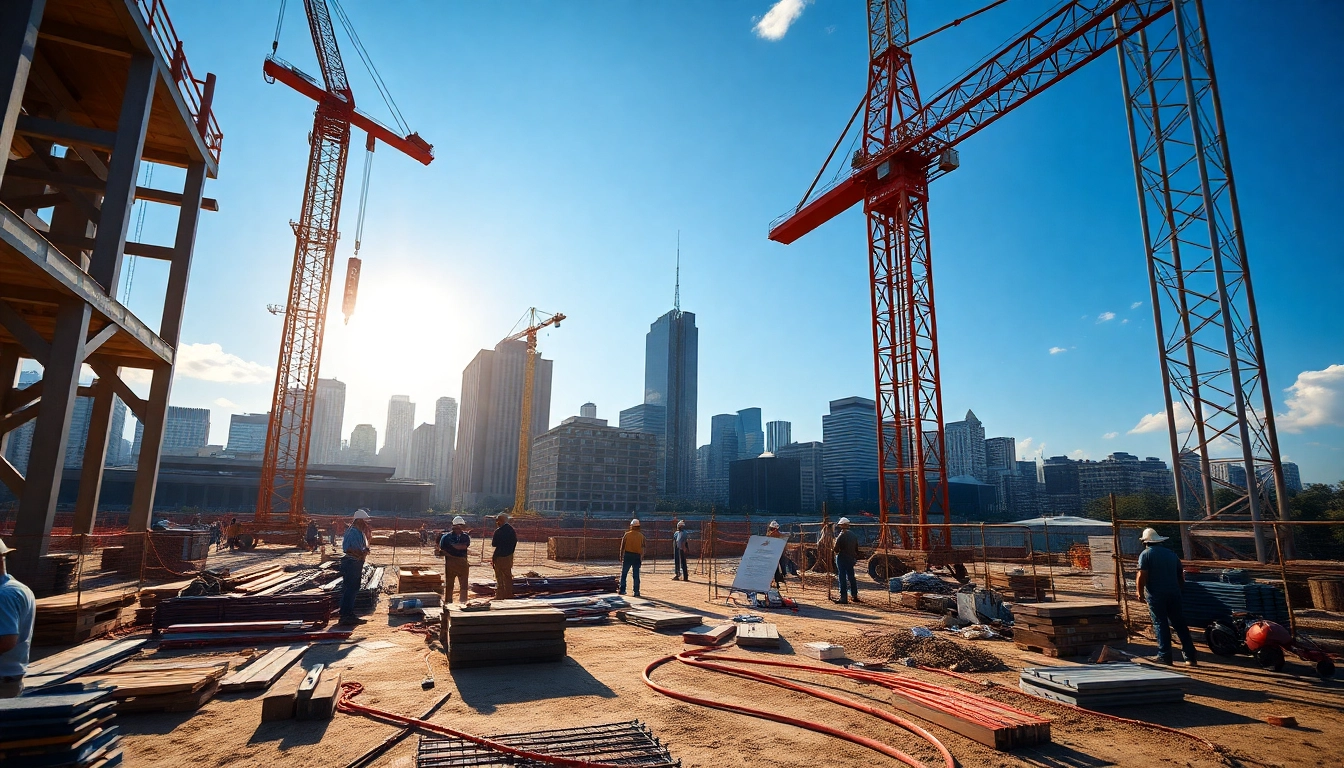
- Use of Cranes and Lifting Equipment: Employ appropriate machinery to safely lift and position heavy steel components, adhering to weight limits and stability assessments.
Challenges in Structural Steel Fabrication
Common Issues Faced by Fabricators
Despite advancements in technology and techniques, structural steel fabrication can present a number of challenges:
- Design Errors: Inaccurate or unclear design specifications can lead to fabrication errors, resulting in costly rework or delays.
- Material Quality: The use of subpar materials can compromise the integrity of the final structure, leading to safety risks.
- Workforce Shortages: Skilled labor shortages can slow down the fabrication process, affecting project timelines.
How to Mitigate Risks in Projects
Risk management is crucial in structural steel fabrication. Strategies include:
- Implementation of Standard Operating Procedures: Establish clear protocols for all processes to minimize errors and improve consistency.
- Regular Training Programs: Invest in ongoing training to enhance the skill set of workers, ensuring they are updated on best practices and new technologies.
- Quality Assurance Checks: Conduct regular inspections throughout the fabrication process to catch and rectify issues early.
Quality Control Measures
Implementing effective quality control measures is essential in maintaining high standards within the fabrication process:
- Material Testing: Test materials before use to ensure they meet project specifications and safety standards.
- Welding Inspections: Utilize non-destructive testing methods to check weld quality and structure integrity.
- Documentation: Maintain records of all tests, inspections, and quality checks for accountability and future references.
Innovative Trends in Structural Steel Fabrication
Advancements in Technology and Automation
Recent technological advancements are reshaping structural steel fabrication:
- Robotic Welding: Automation in welding through robotics enhances precision and efficiency while reducing labor costs.
- 3D Printing: Emerging technologies in 3D printing are beginning to create complex steel components, allowing for more intricate designs.
- Smart Factories: The integration of IoT and AI in fabrication shops enables real-time monitoring and optimization of processes.
Sustainability Practices in Fabrication
The shift towards sustainability is influencing fabrication practices:
- Recyclable Materials: Utilizing recyclable steel in fabrication reduces waste and promotes environmentally friendly construction practices.
- Energy-Efficient Processes: Investing in energy-efficient machinery and practices can significantly reduce the carbon footprint of fabrication operations.
- Life Cycle Analysis: Assessing the environmental impact of steel structures throughout their life cycle helps guide sustainable decisions in fabrication.
Use of BIM in Structural Steel Fabrication
Building Information Modeling (BIM) has transformed how projects are designed and executed:
- Visualization: BIM provides detailed visual representations, allowing fabricators to understand the project scope better and catch discrepancies early.
- Collaboration: Enhancements in project collaboration through BIM help streamline communication among architects, engineers, and fabricators.
- Data Management: BIM assists in efficient management of data and resource allocation throughout the fabrication process.
Future of Structural Steel Fabrication
Emerging Market Opportunities
As urbanization progresses globally, structural steel fabrication is poised for growth. New opportunities can be found in:
- Infrastructure Development: Ongoing investment in infrastructure requires reliable and efficient structural solutions, propelling demand for fabrication services.
- Renewable Energy Projects: The need for wind, solar, and other renewable energy structures presents new avenues for steel fabrication.
- Smart Buildings: The integration of technology in building systems is driving a trend towards smart infrastructures, increasing demand for specialized fabrication.
The Impact of Globalization on Fabrication
Globalization is significantly influencing structural steel fabrication in various ways:
- Market Expansion: Fabricators can now access a broader market, allowing them to take part in international projects and collaborations.
- Supply Chain Optimization: Global sourcing of materials can lead to cost reductions and improved availability, although it also poses logistical challenges.
- Cultural Exchange: The infusion of diverse practices and standards can enhance the quality and approaches within fabrication processes.
Skill Development for the Next Generation
The future of the steel fabrication industry relies on skilled workers. Essential aspects include:
- Educational Initiatives: Developing training programs and partnerships with educational institutions ensures a steady pipeline of skilled workers.
- Certifications and Standards: Promoting industry-recognized certifications enhances the professional standing of workers and assures quality in the fabrication process.
- Mentorship Programs: Engaging seasoned professionals to mentor newcomers helps bridge the gap in skills and knowledge within the industry.
Frequently Asked Questions
What is structural steel fabrication?
Structural steel fabrication involves cutting, shaping, and assembling steel structures for construction projects.
What materials are commonly used in structural steel fabrication?
Common materials include mild steel, stainless steel, and aluminum, each selected for specific applications.
What are the main welding techniques used?
MIG welding, TIG welding, and stick welding are popular methods for ensuring strong joints in steel fabrication.
How can I ensure quality in my fabrication process?
Implementing strict quality control measures, regular inspections, and employee training can enhance quality.
What future trends should I be aware of?
Sustainability, automation, and advancements in digital modeling are key trends shaping the future of fabrication.