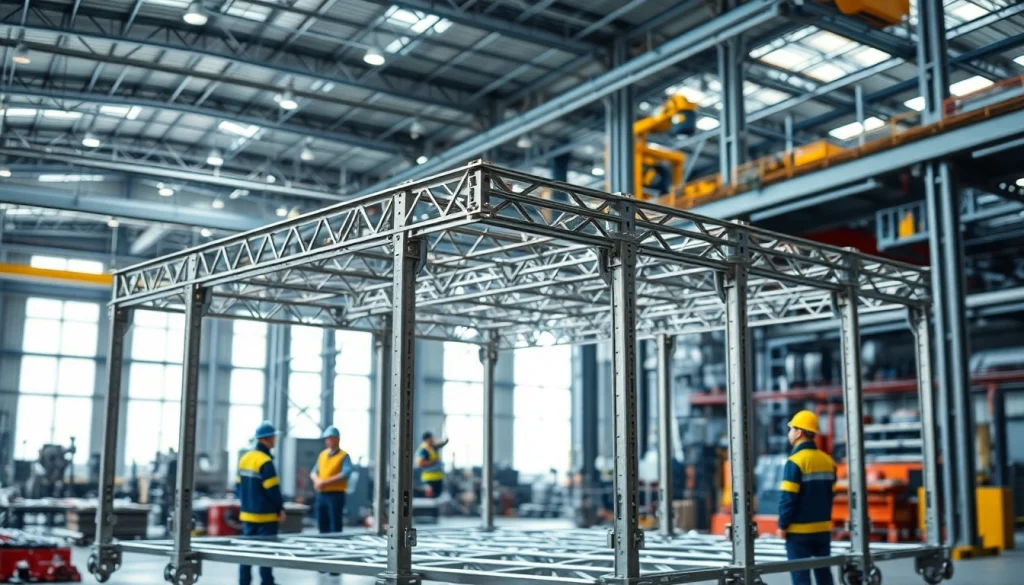
Understanding Steel Structure Design
What is Steel Structure Design?
Steel structure design involves crafting buildings and other structures using steel as the primary material. This design process encompasses a variety of steps, including conceptualizing the structure, ensuring it meets safety and legal standards, and optimizing for cost-effectiveness while maintaining performance. Steel is favored in modern architecture due to its high strength-to-weight ratio, versatility, and durability. As the demand for efficient and resilient buildings grows, understanding steel structure design becomes increasingly important.
Importance in Modern Construction
The role of steel structures in the construction industry cannot be overstated. As urbanization accelerates and the need for robust buildings in varying climates increases, steel has emerged as a go-to material for construction. Its strength allows for larger spans in building designs, accommodating open floor plans without the need for excessive support columns. Additionally, steel’s resistance to environmental factors like moisture and pests enhances the longevity of structures. In seismic zones, its ductility provides better earthquake resistance compared to other materials.
Basic Principles of Structural Design
At the core of structural design is the safe and efficient transfer of loads through the structure. This includes not just the weight of the building itself, but also the dynamic loads from occupants, wind, snow, and seismic activity. Effective steel structure design starts with understanding static and dynamic loads and how they interact. Key principles include:
- Load Path: Ensuring that all loads have a clear and safe path to the ground.
- Factor of Safety: Designing structures that exceed the necessary strength margins to account for unforeseen conditions.
- Material Efficiency: Optimizing the use of materials to minimize cost and waste while maintaining safety.
- Durability: Selecting finishes and coatings to protect against corrosion and extend the life of the steel.
Common Challenges in Steel Structure Design
Addressing Load-Bearing Requirements
One of the primary challenges in steel structure design is accurately addressing load-bearing requirements. Structures must endure various loads over their lifespan. This includes dead loads (permanent/static) and live loads (temporary/dynamic). A thorough analysis of these loads is necessary during the design phase to prevent structural failures. Advanced simulation software can assist in modeling these loads and predicting their impact over time, which helps in making informed design decisions.
Managing Costs and Budget Constraints
Cost management is pivotal in steel structure design, where materials and fabrication can consume a significant portion of the budget. Effective cost management begins with careful planning. Design teams can utilize cost-benefit analysis to evaluate design alternatives. Additionally, early collaboration with suppliers to explore material choices can help in identifying budget-friendly options without compromising quality.
Ensuring Compliance with Safety Regulations
Compliance with local and national building codes and safety regulations is essential in steel structure design. These regulations cover various aspects, from materials and design practices to safety measures during construction. Regular training and updates for architects and builders about changes in codes are crucial. Moreover, involving structural engineers early in the planning process can help ensure that designs meet all necessary codes, reducing the likelihood of costly redesigns.
Best Practices for Steel Structure Design
Choosing the Right Materials
The selection of materials is critical in steel structure design. Various types of steel offer different properties, and understanding these can significantly influence the efficiency and durability of the structure. For example, using high-strength low-alloy (HSLA) steels can enhance performance under tensile and impact loads. Additionally, corrosion-resistant coatings can extend the life of steel in adverse environments. Designers must also consider environmental impacts and the potential recyclability of materials, aligning with sustainable construction practices.
Utilizing Advanced Design Software
Modern design software plays a vital role in steel structure design. Tools like Building Information Modeling (BIM) allow designers to create highly detailed digital representations of buildings, facilitating better communication and collaboration among team members. BIM helps in visualizing structural elements, anticipating clashes during construction, and optimizing the design phase for efficiency. Furthermore, structural analysis software can simulate real-world conditions, enabling engineers to assess the performance of their designs under varying loads and scenarios.
Collaboration with Engineers and Architects
Collaboration between architects and structural engineers is essential for successful steel structure design. An integrated approach allows for innovative design solutions that can enhance both functionality and aesthetics. Regular meetings and open lines of communication ensure that all parties are aligned on project goals. Additionally, interdisciplinary workshops can ignite creativity, pushing the boundaries of traditional designs and leading to unique architectural solutions that leverage steel’s capabilities.
Case Studies in Successful Steel Structure Design
Residential Projects Utilizing Steel Framework
Steel frame construction has gained popularity in residential projects, offering flexibility in design and the ability to cover larger spaces. One notable example is the Bark House in North Carolina, where a steel framework allowed for expansive panoramic views while being resilient to the elements. The use of steel not only provided structural integrity but also enabled the design of open, airy spaces that traditional wood framing could not achieve as effectively.
Commercial Applications of Steel Structures
In commercial settings, steel structures provide the backbone for skyscrapers and large retail spaces. Consider the Burj Khalifa in Dubai; its innovative use of a bundled tube design with steel reinforced concrete produces an elegant silhouette while withstanding high winds and seismic pressures. This example showcases how steel can be leveraged for both aesthetic appeal and functionality in commercial architecture.
Innovative Approaches in Unique Designs
Architects have increasingly explored unique designs that capitalize on the properties of steel. The Louvre Abu Dhabi, with its intricate steel dome structure, merges art with architecture, while ensuring stability and visual appeal. Such innovative approaches encourage the exploration of new design languages and aesthetics, pushing the envelope of what steel structures can depict in the realm of modern architecture.
Measuring the Success of Steel Structure Design
Key Performance Metrics to Monitor
To gauge the effectiveness of steel structure design, it’s crucial to monitor key performance metrics. These may include structural efficiency (the ratio of load-carrying capacity to weight), durability (measured by lifespan and maintenance requirements), and cost-effectiveness (evaluating initial investment against operational costs). Continuous improvement relies on these metrics, guiding activities from initial design through to ongoing maintenance.
Analyzing Structural Integrity Over Time
Structural integrity assessment is an ongoing process that involves regular inspections and evaluations. Utilizing tools like ultrasonic testing and visual inspections can determine the condition of the steel and identify any weaknesses or deterioration. Moreover, applying advanced monitoring technologies, such as sensor-equipped structural health monitoring systems, enables real-time data collection, providing insights into the performance of structural elements throughout their lifespan.
Feedback Loop from Construction Teams
Establishing a feedback loop from construction teams is essential to enhance the steel structure design process continually. Observations and recommendations from on-site teams can uncover inefficiencies, unforeseen challenges, and potential improvements. Engaging construction teams in debriefing sessions can foster a culture of continuous improvement. This approach not only addresses immediate concerns but also contributes to longer-term innovations in design and construction methods.