
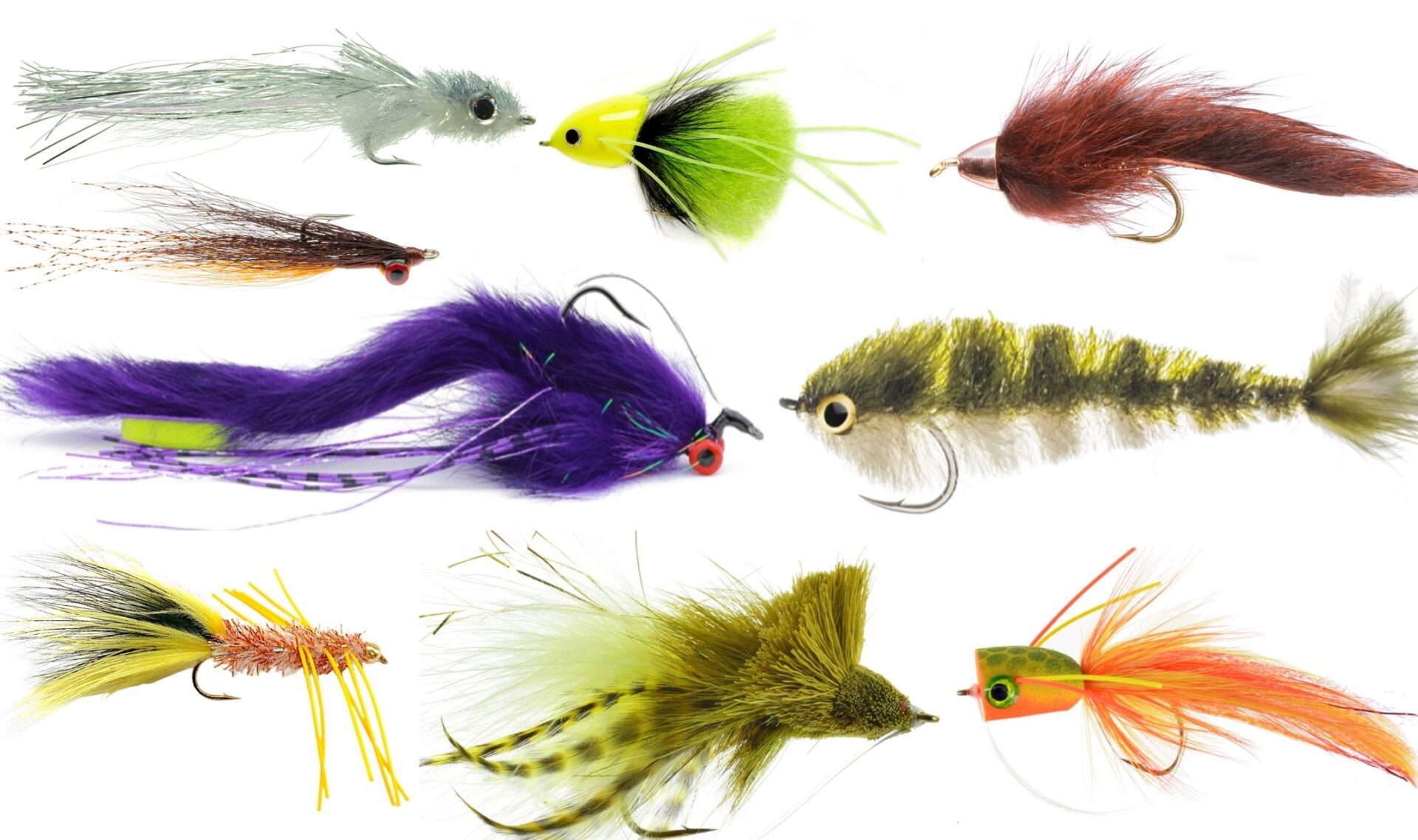
Fly fishing for bass is an exciting and rewarding experience for anglers of all skill levels. Bass are known for their aggressive strikes and challenging behavior, which makes selecting the right fly essential for a successful outing. Whether you are a beginner or an experienced fly fisherman, understanding which flies work best for bass can dramatically improve your catch rate. In this article, we will explore the most effective flies for fly fishing for bass and provide tips on how to use them to maximize your success on the water.
Understanding Bass Behavior
Before choosing the best flies for fly fishing for bass, it is important to understand bass behavior. Bass are ambush predators, meaning they often hide near structures such as rocks, submerged logs, or vegetation, waiting to strike passing prey. This behavior influences the type of fly that will be most effective. In general, bass are attracted to flies that mimic their natural food sources, such as insects, small fish, and crustaceans. Knowing this will help you select the right fly for the right situation when fly fishing for bass.
Top Flies for Fly Fishing for Bass
When it comes to fly fishing for bass, certain patterns consistently produce excellent results. Here are some of the most effective flies to keep in your tackle box:
1. Clouser Minnow
The Clouser Minnow is one of the most popular and effective flies for bass. Its lifelike profile imitates small baitfish, which are a staple in the bass diet. When fly fishing for bass with a Clouser Minnow, use a fast strip to mimic the movement of fleeing prey. This action triggers aggressive strikes from bass hiding in ambush positions.
2. Popper Flies
Popper flies are topwater flies that create a splashing action when retrieved, attracting bass from below. Bass are highly responsive to surface disturbance, making poppers an excellent choice for early morning or late evening fishing. When fly fishing for bass with poppers, a series of short, quick strips will entice explosive strikes that are thrilling to watch.
3. Woolly Bugger
The Woolly Bugger is a versatile streamer that can imitate both baitfish and aquatic insects. Its undulating movement in the water draws attention from bass lurking near cover. Fly fishing for bass with a Woolly Bugger works well in various conditions, including rivers, lakes, and ponds. Adjust your retrieve speed to mimic injured prey, which is particularly effective for enticing larger bass.
4. Creature Flies
Creature flies, often resembling crayfish or other aquatic organisms, are highly effective for bass that are feeding near the bottom. Bass are naturally drawn to the shape and movement of these flies. When fly fishing for bass with creature patterns, consider using a slow, dragging retrieve along the bottom to mimic natural behavior and provoke strikes from hidden fish.
5. Streamers
Streamers, in general, are excellent for fly fishing for bass. Patterns such as Zonkers, Sculpin, and Rabbit Leech imitate small fish or other prey, appealing to a bass’s predatory instincts. Use a combination of long and short strips to simulate fleeing or injured prey. Bass often strike aggressively at these flies, making them a reliable choice for any angler.
Tips for Successful Fly Fishing for Bass
- Match the Hatch: Observe the natural prey in the water and choose flies that closely resemble them. Matching the hatch increases your chances of attracting bass.
- Vary Retrieve Speed: Experiment with different speeds and patterns when retrieving your fly. Sometimes a slow, subtle movement works best, while other times a fast, erratic strip triggers more strikes.
- Fish Near Structure: Bass love hiding near logs, rocks, weed beds, and other structures. Target these areas when fly fishing for bass to increase your success.
- Use Appropriate Gear: Medium to heavy-action fly rods are ideal for bass fishing, as they provide the strength needed to cast larger flies and handle strong fish.
Seasonal Considerations
Seasonal changes affect bass feeding behavior and the effectiveness of various flies. In the spring, bass often feed near shallow waters, making poppers and topwater flies highly effective. During summer, bass may retreat to deeper, cooler waters, making streamers and Woolly Buggers more effective. Understanding seasonal patterns can help you choose the right flies when fly fishing for bass throughout the year.
Fly fishing for bass can be incredibly rewarding when you use the right techniques and select flies that match the fish’s natural diet. By incorporating Clouser Minnows, poppers, Woolly Buggers, creature flies, and streamers into your fly box, you can increase your chances of landing more bass. Paying attention to bass behavior, habitat, and seasonal patterns will further enhance your success. Whether you are fishing in a lake, river, or pond, mastering the art of fly fishing for bass allows you to enjoy both the thrill of the fight and the satisfaction of a well-earned catch.


