Understanding the Basics of Auto Dialer
What is an Auto Dialer?
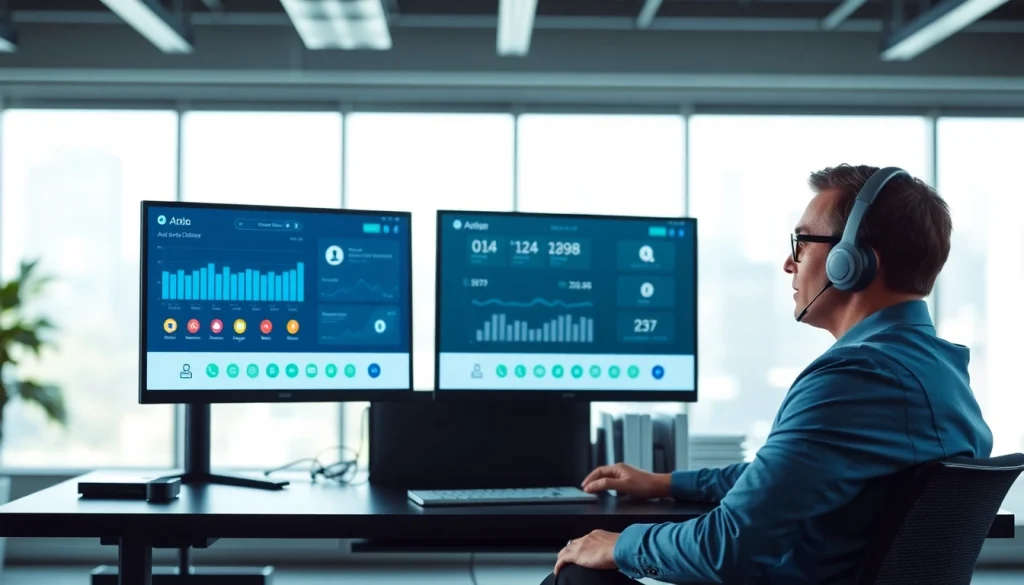
An auto dialer is a sophisticated software tool designed to improve the efficiency of outbound calling operations. This technology automates the process of dialing phone numbers, which can significantly enhance the productivity of sales teams and customer service departments. The primary function of an auto dialer is to systematically call a list of contacts and connect live calls to agents or deliver pre-recorded messages, depending on the algorithm governing the software’s operations.
How Does an Auto Dialer Work?
The functionality of an auto dialer can seem complex, but its core operation revolves around a few simple steps. First, users upload a predefined list of phone numbers into the system. Following this, the auto dialer employs various algorithms — such as predictive, power, or preview dialing methods — to initiate calls systematically. As calls are made, the system analyzes each call’s status, discerning whether the call was answered, went to voicemail, or was not answered at all. This real-time assessment allows the auto dialer to optimize call attempts and improve connection rates, ultimately freeing human agents to focus on conversations instead of manual dialing.
Benefits of Using an Auto Dialer
The strategic use of an auto dialer presents numerous advantages for businesses. Here are the most significant benefits we can identify:
- Increased Efficiency: By automating the dialing process, businesses can reach more customers in less time, increasing the overall productivity of their agents.
- Enhanced Call Connectivity: Auto dialers help maximize the chances of connecting with leads by analyzing when and how often to dial specific numbers.
- Improved Lead Management: Integrating an auto dialer with CRM software enables better tracking and managing of leads by automatically logging call data for future reference.
- Cost Reduction: Automating the dialing process reduces the need for a larger sales force and cuts down on operational costs associated with manual dialing.
- Consistent Follow-Ups: An auto dialer can be programmed to ensure timely follow-ups, which is key to closing sales and nurturing leads.
Types of Auto Dialer Systems
Predictive Auto Dialers
Predictive auto dialers are designed to maximize the connection rate by analyzing live call data and adjusting the dialing speed accordingly. This system uses predetermined algorithms to predict when an agent will become available and dials numbers just in time for the agent to pick up the call. This method can significantly reduce idle time and enhance productivity, but it may lead to more dropped calls if not configured properly.
Power Dialers
Power dialers work by dialing a predetermined number of contacts consecutively without any delay between calls, unlike predictive dialers. When a call is answered, it is immediately routed to a live agent. Power dialers ensure a higher number of calls completed when compared to manual methods but may not optimize the calling rate as finely as predictive systems.
Preview Dialers
Preview dialers differ fundamentally from predictive and power dialers by allowing agents to preview contact information before dialing. This enables agents to prepare for the conversation, making it ideal for personalized engagements where building rapport is crucial. By incorporating insights from customer data, agents can tailor their approach to enhance the quality of conversations.
Implementing an Auto Dialer
Key Features to Consider
Choosing the right auto dialer requires careful consideration of various features. Here are some key aspects that should influence your decision:
- Integration Capabilities: Ensure that the auto dialer can seamlessly integrate with your existing CRM and other tools to streamline workflows.
- Call Routing Options: Look for a system that offers intelligent call routing and management to optimize the agent’s workload and enhance customer experience.
- Comprehensive Reporting: A good auto dialer should provide detailed analytics and reporting features that track performance metrics and call outcomes.
- Compliance Features: Given the regulations governing telemarketing, select an auto dialer with built-in compliance capabilities to manage do-not-call lists and minimize legal risks.
- User-Friendly Interface: The ease of use is crucial. The system should be simple for both supervisors and agents to navigate, ensuring a smooth onboarding process.
Steps to Set Up an Auto Dialer
Setting up an auto dialer involves several straightforward steps that can vary depending on the specific software. Here’s a general guide to get you started:
- Select Your Provider: Research and choose a suitable auto dialer solution that meets your business requirements and budget.
- Integrate with Your Systems: Work with your IT team to install the software and integrate it with existing systems, such as CRM platforms.
- Upload Your Phone List: Prepare and upload a list of contacts that you will be targeting with the dialer system.
- Configure Settings: Set up dialing preferences, such as calling hours, the number of concurrent calls, and any custom messages.
- Train Your Team: Provide thorough training for your agents on how to use the software effectively to maximize productivity.
Integrating Auto Dialer with CRM
Integrating your auto dialer with CRM software can significantly enhance productivity and call effectiveness. This linkage allows for the automatic logging of calls and offers agents access to customer histories and interaction records, ensuring tailored conversations. Before integration, consider the following steps:
- Assess Compatibility: Verify that the auto dialer software is compatible with your existing CRM system.
- Data Mapping: Define how fields from your CRM will correspond to the auto dialer, ensuring that key customer data is accessible during calls.
- API Configuration: Utilize the API documentation provided by both systems to configure the integration settings accurately.
- Test the System: Before full rollout, ensure a thorough testing process to uncover and resolve any issues prior to widespread implementation.
Best Practices for Using an Auto Dialer
Maximizing Call Efficiency
To achieve optimal results with an auto dialer, consider implementing the following best practices:
- Set Realistic Goals: Define clear performance targets based on average connection rates and desired outcomes to guide your calling campaigns.
- Monitor Live Data: Stay updated on real-time analytics to manage agent workloads and adjust strategies as necessary.
- Schedule Calls Strategically: Use data from previous campaigns to determine the best times and days to contact your leads for optimal engagement.
- Maintain Compliance: Ensure you regularly update and manage do-not-call lists and adhere to legal standards associated with outbound calling.
Training Your Sales Team
Your sales team is crucial to the success of your auto dialing strategy. Proper training can vastly improve their effectiveness, so consider the following training activities:
- Onboarding Sessions: Provide comprehensive onboarding where team members learn the system, access analytics, and understand calling strategies.
- Role-Playing Exercises: Conduct role-playing sessions to prepare team members for real-live interactions while leveraging insights gained from the auto dialer.
- Continuous Learning: Offer ongoing training opportunities to keep the team updated on best practices, compliance guidelines, and new software features.
Measuring Performance Metrics
Analyzing performance metrics provides insight into the effectiveness of your auto dialing strategy. Key performance indicators (KPIs) to track include:
- Call Connection Rates: Percentages of calls successfully connected to leads versus calls initiated.
- Average Call Duration: Insights into the length of conversations can measure engagement.
- Conversion Rates: The percentage of calls leading to relevant outcomes, such as appointments scheduled or sales made.
- Agent Productivity: Track the number of calls each agent makes and their effectiveness in converting leads.
Future Trends in Auto Dialer Technology
AI Integration in Auto Dialers
Artificial Intelligence (AI) is poised to revolutionize auto dialing technology. By leveraging AI, future auto dialers could optimize dialing patterns and predict customer responses more accurately. Features like voice recognition and sentiment analysis can enable agents to tailor conversations based on customer emotions and responses, leading to better engagement outcomes.
Data Security Considerations
As data privacy regulations evolve, so too does the need for robust security measures within auto dialer systems. Businesses must prioritize data protection, employing encryption, secure cloud storage, and regular security audits to ensure compliance with various regulations, such as GDPR and CCPA. safeguarding customer contact information is paramount to maintaining trust and credibility.
Adapting to Regulatory Changes
With the ongoing changes in telemarketing regulations, auto dialer technology must adapt to ensure compliance while maximizing outreach efforts. Staying updated on legal requirements will require continuous training for teams and reframing of organizational practices. Maintaining a proactive stance will help prevent legal pitfalls, enabling companies to leverage auto dialing effectively while respecting customer rights.