Understanding Business Setup in Dubai
Dubai has emerged as a global business hub, attracting entrepreneurs and investors from around the world. The city offers a unique blend of modern infrastructure, strategic location, and a favorable economic environment. Business setup in Dubai has become a sought-after goal due to its robust economy, tax incentives, and a supportive government framework. This article explores the intricacies of establishing a business in Dubai, covering everything from market benefits to the steps required for a successful launch.
Market Overview and Benefits
Dubai's economy is one of the most diverse in the region, with prominent sectors including tourism, trade, technology, and finance. The business-friendly policies, such as 100% foreign ownership in free zones, attract investors looking to tap into a growing market. Here are key benefits of setting up a business in Dubai:
- Strategic Location: Positioned between Europe, Asia, and Africa, Dubai provides easy access to emerging markets.
- Tax Benefits: The UAE has no corporate tax in most sectors and no personal income tax, making it an attractive proposition for entrepreneurs.
- Infrastructure: World-class infrastructure, high-end amenities, and business-friendly regulations support operational efficiency.
- Diverse Market: The cosmopolitan population creates a vibrant marketplace, enabling businesses to cater to varied customer bases.
Legal Framework for Business Setup
The legal landscape for business setup in Dubai is primarily governed by the UAE Commercial Companies Law. Key points to consider include:
- Types of Companies: Options include limited liability companies (LLC), free zone establishments, and sole proprietorships.
- Licensing: Every business must obtain a specific license, depending on the nature of the activity conducted.
- Compliance: Regular compliance with local laws, including labor laws and operational regulations, is essential for sustainability.
Key Considerations for Entrepreneurs
Before diving into the business setup process, entrepreneurs should consider the following:
- Business Plan: A robust business plan is essential, detailing the objectives, market analysis, financial projections, and operational strategy.
- Market Research: Understanding the local market dynamics, competition, and target audience is crucial for informed decision-making.
- Networking: Building connections with local stakeholders and joining business communities can provide invaluable support and resources.
Steps Involved in Business Setup in Dubai
Choosing the Right Business Activity
Deciding the type of business activity is a critical first step. Dubai allows a wide range of business activities, but each comes with specific licensing requirements. Entrepreneurs should:
- Review the list of permissible activities from the Department of Economic Development (DED),
- Evaluate the market demand for their chosen activity, and
- Consider potential restrictions related to that activity.
Selecting a Legal Structure
The choice of legal structure affects various aspects of business operations, including liability, ownership, and taxation. Key structures include:
- Limited Liability Company (LLC): Offers limited liability to shareholders and is the most common structure for foreigners wanting to operate on the mainland.
- Free Zone Company: Provides 100% foreign ownership but limits trading to within the free zone and certain external markets.
- Sole Proprietorship: Ideal for individual entrepreneurs with full control over the business, but with unlimited liability.
Locating Your Business: Free Zone vs. Mainland
The decision on whether to establish a business in a free zone or on the mainland is vital:
- Free Zones: Offer benefits like tax exemptions, but restrict businesses to operate primarily within the free zone.
- Mainland: More regulatory obligations but allows a broader market base, enabling businesses to operate across the UAE.
Costs and Financial Considerations
Expected Costs for Business Setup
The costs associated with setting up a business can vary significantly. Entrepreneurs should anticipate:
- License Fees: These can range from AED 10,000 to AED 50,000 depending on the business type and location.
- Office Space: Required for mainland businesses; costs vary widely depending on the area and facilities.
- Additional Costs: These may include legal fees, visa costs, and possibly hiring staff.
Funding Options and Incentives
Securing funding is crucial for startup success. Entrepreneurs can explore options such as:
- Bank Loans: Local banks offer various loan products tailored for startups and SMEs.
- Venture Capital: Investors often lend capital for equity, a good option for scalable ideas.
- Government Grants: Various initiatives exist to support startups, emphasizing innovation and technology.
Tax Overview for Businesses in Dubai
Understanding the tax framework is essential for financial planning. Key points include:
- No Corporate Tax: Generally, there is no corporate tax in Dubai, which enhances profit retention.
- Value Added Tax (VAT): Introduced at 5%, applicable on goods and services, requiring registered companies to comply.
- Specific Sectors: Some sectors, like oil and banking, are subject to different tax regulations.
Common Challenges in Business Setup in Dubai
Navigating Legal and Regulatory Requirements
Dubai's regulatory framework can be complex. Challenges may include:
- Regulatory Changes: Staying updated with changing laws and compliance requirements is crucial.
- Approval Processes: Obtaining necessary permits may take time, requiring thorough documentation.
Dealing with Documentation and Approvals
Setting up a business requires navigating multiple layers of documentation, which can be daunting:
- Preparing accurate and complete documentation minimizes delays.
- Engaging with local experts can help expedite the approval process.
Understanding Cultural Norms and Practices
Understanding and respecting local customs and business etiquette is vital for successful operations. Key considerations include:
- Being aware of cultural sensitivities when interacting with local partners.
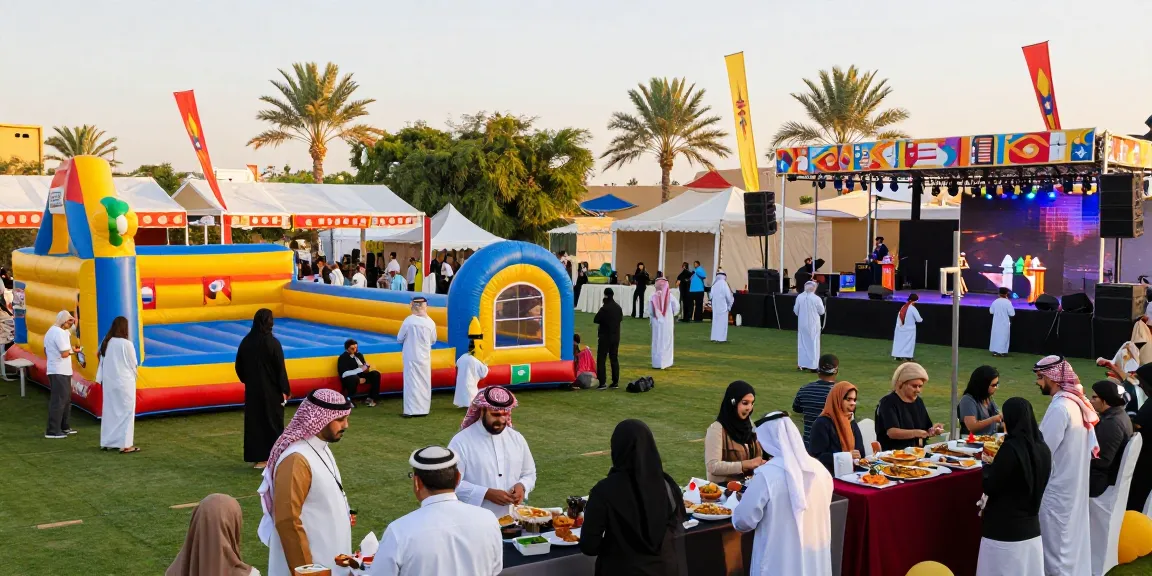
- Participating in community events can foster goodwill and build stronger relationships.
Future Trends and Opportunities in Dubai
Emerging Industries and Sectors
The business landscape in Dubai is continually evolving, with new opportunities emerging in various sectors:
- Technology Startups: Positioned to benefit from government-backed initiatives focused on innovation.
- Sustainable Enterprises: Growing interest in green technologies and eco-friendly products.
- Health and Wellness: Increased investment in healthcare and wellness-related businesses.
Technological Integration in Business Operations
More businesses are leveraging technology to enhance operations. Key trends include:
- Automation: Relying on AI and automation for efficiency improvements.
- E-commerce: The shift towards online platforms has accelerated, allowing businesses to reach wider audiences.
Sustainability Practices and Regulations
As global awareness increases, businesses focusing on sustainable practices may have competitive advantages. Considerations include:
- Developing sustainable business models to align with regulatory frameworks promoting environmental responsibility.
- Investing in energy-efficient technologies can reduce operational costs over time.
FAQs
How much does it cost to set up a business in Dubai?
Costs range from AED 10,000 to AED 50,000, depending on business type and location, with additional operational expenses.
Can foreigners fully own a business in Dubai?
Yes, recent laws permit 100% foreign ownership of businesses in both mainland and free zones, enhancing entrepreneurial opportunities.
Is it possible for non-residents to set up a business in Dubai?
Yes, non-residents can establish businesses, particularly in free zones, making Dubai a viable option for international entrepreneurs.
What support is available for new businesses in Dubai?
Various government programs and private firms provide consultations, grants, and support services to facilitate the setup process for new businesses.
Are there specific business sectors that are more successful in Dubai?
Sectors like technology, hospitality, and tourism are experiencing significant growth, making them attractive for new ventures in Dubai.