Understanding Wall Panelling Sheets
What Are Wall Panelling Sheets?
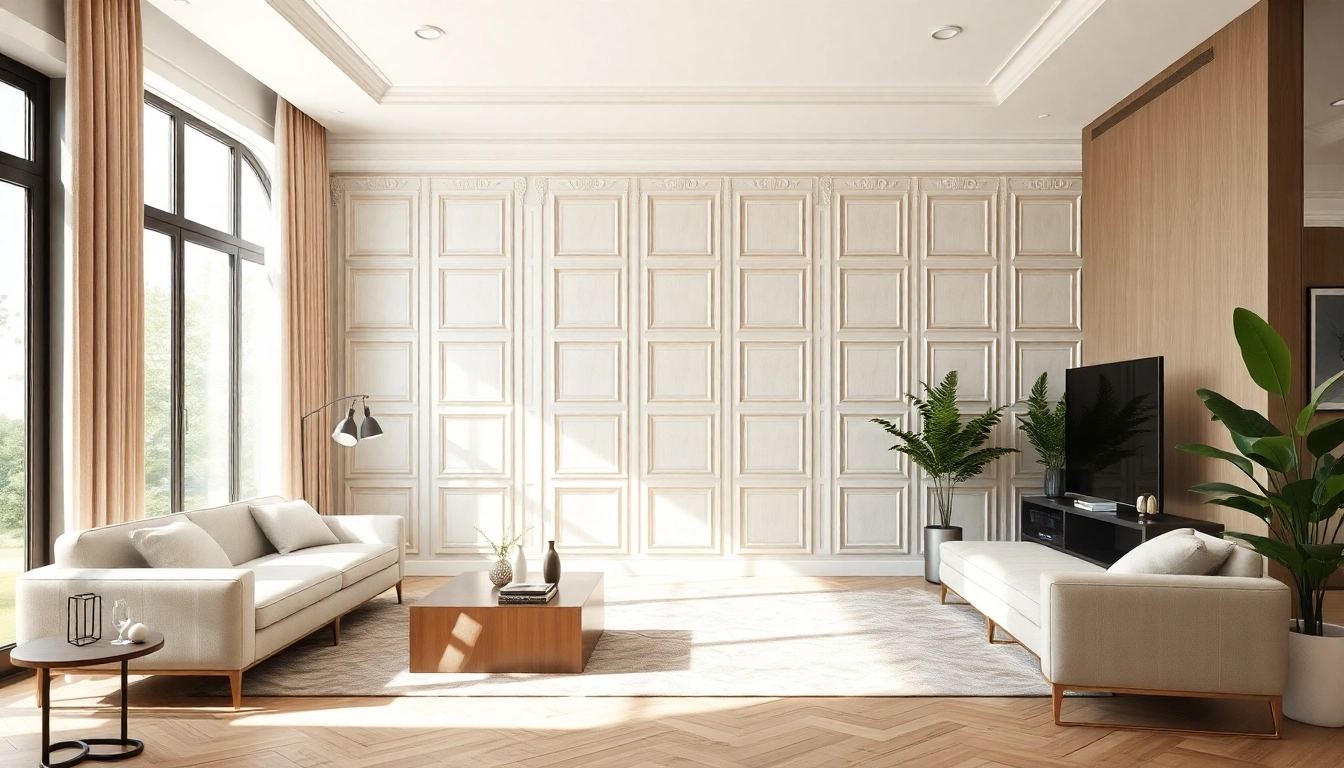
Wall panelling sheets are flat panels used to cover interior walls, offering both aesthetic appeal and functional benefits. They come in various materials, styles, and finishes, making them suitable for a wide range of design applications. From traditional wooden panels to modern vinyl options, wall panelling sheets enhance the visual interest of any space while providing insulation and protection.
Materials Used for Wall Panelling Sheets
Wall panelling sheets can be made from a variety of materials, each with its own unique benefits:
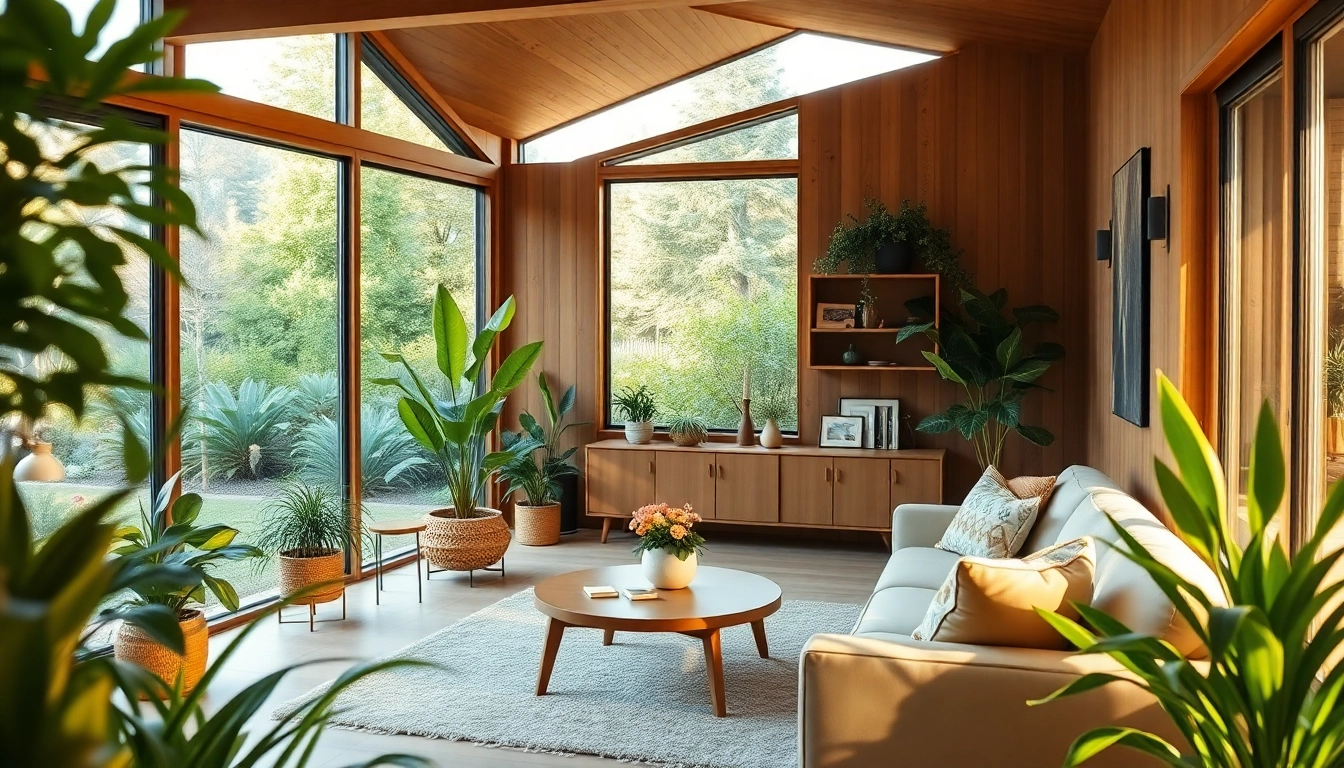
- Wood: Classic and timeless, wood provides a warm and inviting look. It can be stained or painted to match any décor.
- MDF (Medium Density Fiberboard): A cost-effective alternative to solid wood, MDF offers a smooth surface perfect for painting. It's versatile and easy to work with.
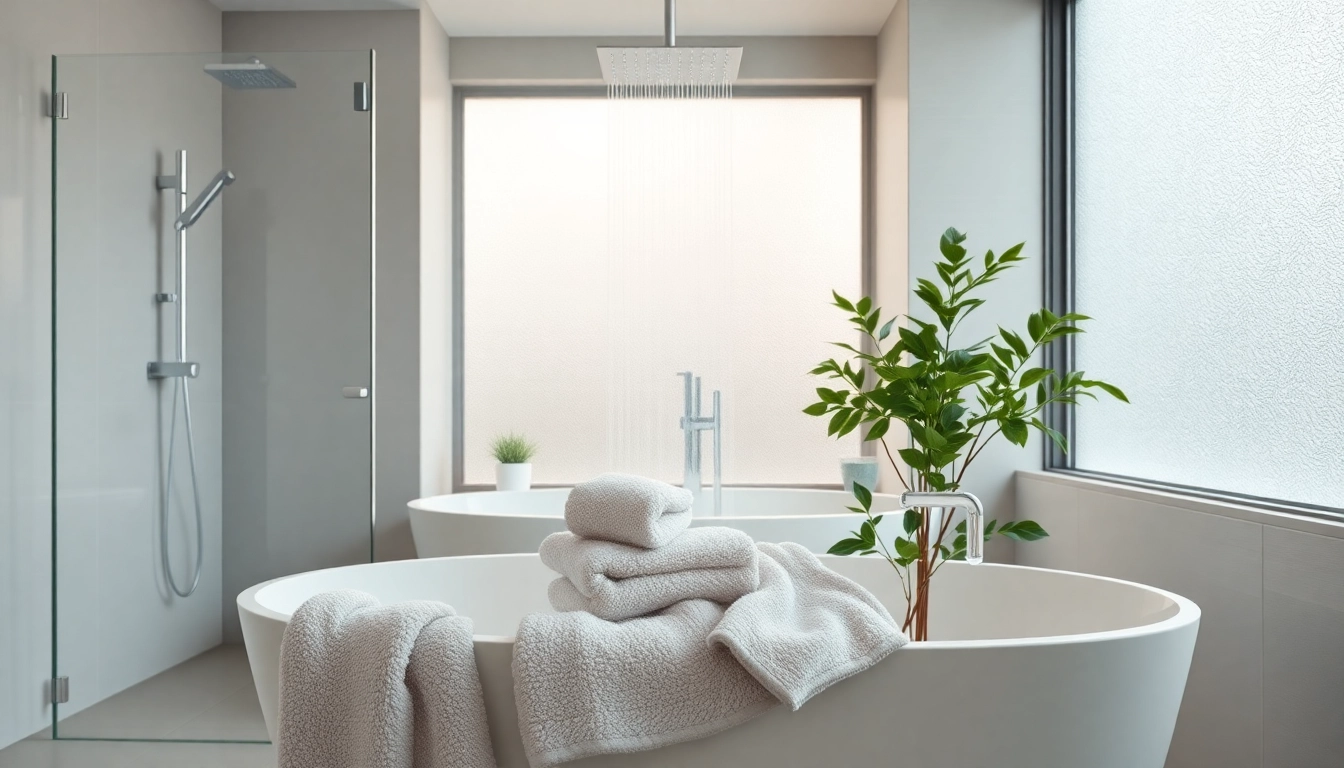
- PVC (Polyvinyl Chloride): Highly durable and waterproof, PVC panels are ideal for humid environments such as bathrooms and kitchens.
- Plywood: Both light and strong, plywood is an excellent choice for a rustic look. It can also be treated to resist moisture and pests.
- Laminate: Laminate wall panels come in various finishes that mimic wood, metal, and stone, offering great aesthetic appeal without the maintenance.
Benefits of Using Wall Panelling Sheets
Wall panelling sheets offer multiple advantages that make them an attractive option for homeowners:
- Aesthetic Appeal: They significantly enhance the visual grandeur of any room, adding character and warmth.
- Insulation: Panels can improve thermal insulation, helping to maintain comfortable indoor temperatures.
- Protection: They can shield walls from scuff marks, moisture, and damage, prolonging the life of underlying surfaces.
- Easy Maintenance: Most wall panelling sheets are easy to clean and maintain, requiring only occasional dusting or a damp cloth to keep them looking fresh.
- Soundproofing: Certain materials can aid in noise reduction, making spaces quieter and more private.
Choosing the Right Wall Panelling Sheets
Types of Wall Panelling Sheets Available
When choosing wall panelling sheets, it is essential to consider the various types available based on design, material, and application:
- Veneered Panels: These panels have a thin layer of natural wood on top, offering the look of real wood while being more affordable.
- Shiplap and Tongue and Groove: Popular in rustic and coastal designs, these profiles interlock for a seamless finish.
- Acoustic Panels: Designed specifically for sound absorption, these panels are perfect for home theaters or busy family areas.
- Textured Panels: Featuring designs such as 3D geometrical patterns, these add dramatic texture to walls.
Factors to Consider When Selecting
Selecting the right wall panelling sheets depends on various factors:
- Purpose: Determine whether the panels are for aesthetics, insulation, or protection.
- Environment: Consider the space's humidity levels, light exposure, and traffic, which can influence material choice.
- Design Style: Ensure the panels complement the existing decor and enhance the overall aesthetic of the room.
- Budget: Choose materials that fit within your financial plan while providing the desired quality and durability.
Comparing Cost and Quality
When comparing wall panelling sheets, it’s critical to weigh cost against quality:
- Cost: Basic panels can be quite affordable, while high-quality wood panels can be considerably more expensive. Homeowners must decide how much to invest based on their long-term goals.
- Quality: Look for panels that offer durability, resistance to wear and tear, and ease of maintenance. Higher quality often means less frequent replacements.
Installation of Wall Panelling Sheets
DIY: Installing Wall Panelling Sheets Yourself
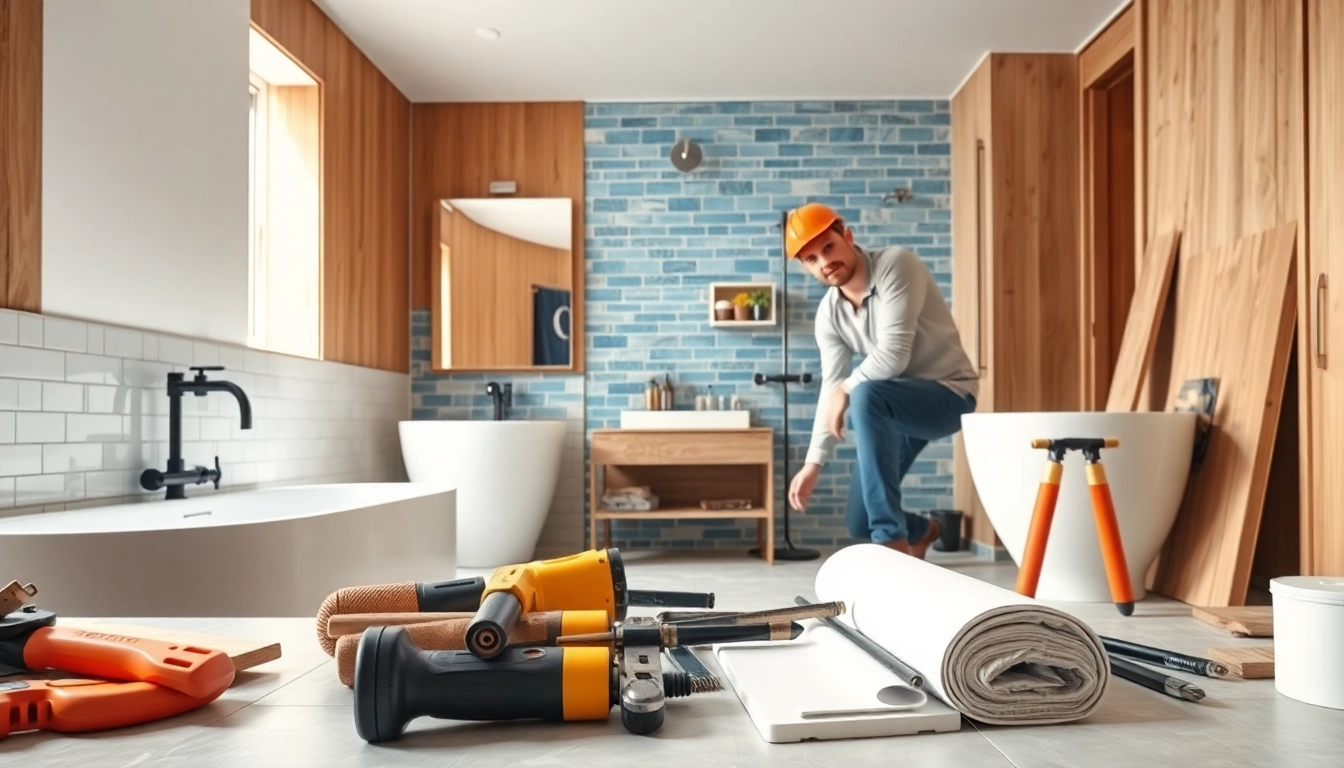
Installing wall panelling sheets can be a fulfilling DIY project. Follow these steps for a successful installation:
- Preparation: Measure and prepare the walls, ensuring they are clean and dry.
- Cut Panels to Size: Use a miter saw or circular saw to cut panels to fit your wall dimensions.
- Mark Layout: Mark the wall to guide panel placement and ensure a uniform design.
- Adhere Panels: Use construction adhesive or nails, securing each panel tightly against the wall.
- Finish Edges: Use trim pieces or caulking for a professional finish around the edges.
Professional Installation vs. DIY
Choosing between professional installation and a DIY approach involves weighing the pros and cons:
- DIY: Cost-effective and personally rewarding but requires time and some skill. You may also need to rent tools.
- Professional Installation: Ensures a flawless finish and saves time, but this option comes with higher costs.
Common Installation Errors to Avoid
While installing wall panelling sheets, avoid these common mistakes:
- Improper Measurements: Always double-check measurements before cutting.
- Neglecting the Substrate: Ensure the wall surface is suitable for paneling by checking for moisture and damage.
- Using Inadequate Adhesive: Select a strong adhesive or fasteners that can support the weight of the panels.
- Ignoring Expansion Gaps: Leave space for expansion, especially with wood panels, to prevent warping.
Maintaining Your Wall Panelling Sheets
Cleaning and Caring for Wall Panelling Sheets
To keep wall panelling sheets looking great, regular cleaning is key:
- Dusting: Use a soft cloth or microfiber duster to remove dust and cobwebs.
- Spot Cleaning: For stains, use a damp cloth with mild soap; avoid harsh chemicals that can damage finishes.
- Regular Inspections: Check for damage regularly to address issues before they worsen.
Long-Term Durability and Maintenance Tips
To maximize the lifespan of wall panelling sheets, consider the following tips:
- Humidity Control: In high-humidity environments, ensure proper ventilation to prevent warping.
- Temperature Regulation: Maintain stable indoor temperatures to reduce the risk of expansion or contraction.
- Protection from Direct Sunlight: Use window treatments to protect panels from UV damage.
Signs It’s Time to Replace Wall Panelling Sheets
It’s important to recognize when wall panelling sheets need to be replaced:
- Signs of Warping: Warped panels can compromise functionality and aesthetics.
- Severe Fading or Damage: Unrepairable discoloration or physical damage often necessitates replacement.
- Mold Growth: Presence of mold indicates underlying moisture issues that can affect health and appearance.
FAQs About Wall Panelling Sheets
What are the advantages of wall panelling sheets?
Wall panelling sheets provide aesthetic appeal, insulation, and protection for your walls. They enhance the decor while being easy to maintain.
Can I install wall panelling sheets myself?
Yes, DIY installation is possible if you have basic tools and follow proper guidelines, making it rewarding for home improvement enthusiasts.
How do I clean wall panelling sheets?
Use a damp cloth or mild cleaner to wipe down wall panelling sheets on a regular basis to keep them looking fresh and clean.
What materials are best for wall panelling sheets?
Popular materials for wall panelling sheets include wood, MDF, PVC, and plywood, each offering unique benefits based on your needs.
How long do wall panelling sheets last?
With proper maintenance, wall panelling sheets can last over 10 years, depending on the material and environmental conditions.