Understanding Structural Steel Installation Basics
What is Structural Steel?
Structural steel is a category of steel used in the construction of buildings and various infrastructure projects. It is defined by its ability to bear substantial loads, making it a vital foundation material for erecting buildings, bridges, and other structures. Common types of structural steel include beams, columns, plates, and joists. These elements are meticulously designed to provide stability and strength, forming the skeleton of a structure. The unique properties of structural steel, such as its higher tensile strength and resistance to deformation, allow for versatile applications across diverse construction projects.
Importance of Structural Steel Installation
The structural steel installation process is crucial in determining the structural integrity of a building or project. Proper installation ensures that the steel framework can handle anticipated loads and stresses, facilitating safety and durability throughout the structure's lifespan. Additionally, it simplifies complex building designs, as steel can support longer spans and larger spaces without the requirement for excessive columns or supports. The installation phase, thus, is not merely a quality concern; it is a fundamental stage in safeguarding the performance and longevity of the construction.
Key Components and Tools Used
The installation of structural steel involves various components, each serving specific functions in the assembly process. Key components include:
- Beams: These horizontal structural elements support vertical loads and resist bending.
- Columns: Vertical elements that transfer the load from beams and slabs down to the foundations.
- Plates: Flat pieces of steel used for bracing or connecting beams and columns.
- Joists: Secondary supports that connect beams for flooring systems.
In addition to these components, several tools are indispensable in the installation process:
- Welding Equipment: Used to fuse steel components together.
- Bolting Tools: Necessary for joining pieces with high strength fasteners.
- Cranes: Used for lifting and positioning heavy steel components.
- Safety Gear: Essential for protecting workers during installation.
Planning for Structural Steel Installation
Site Assessment and Preparation
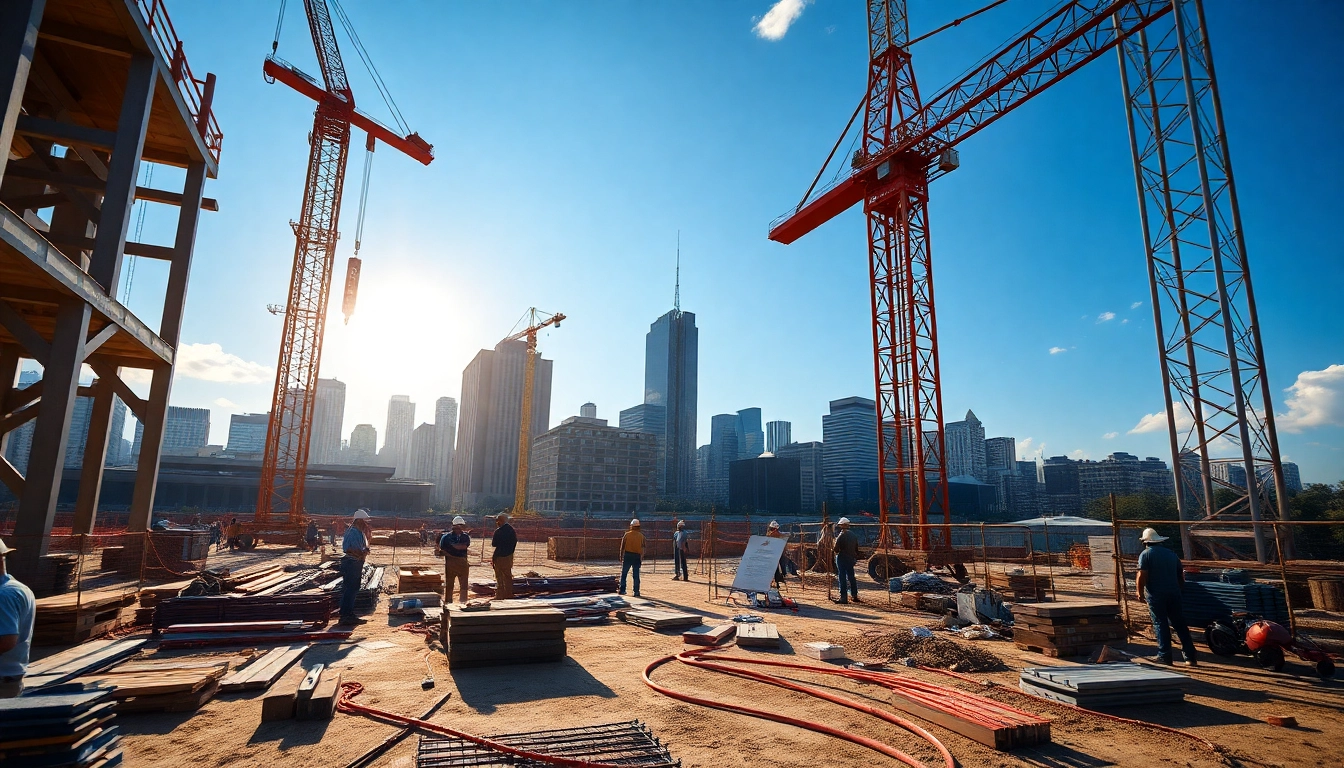
Before commencing with structural steel installation, it is imperative to assess the construction site thoroughly. This involves evaluating the geographical, environmental, and logistical factors that may impact installation. Key aspects to consider include soil conditions, accessibility, and existing structures that may pose challenges during installation. Preparation also entails ensuring that all permitting and regulatory requirements are met before beginning the construction phase. Effective site preparation leads to smoother operations and minimizes delays.
Understanding Project Requirements
A clear understanding of the project requirements ensures that the appropriate materials and construction methodologies are employed. This includes detailed review of architectural and engineering plans, which provide critical information regarding load specifications, dimensions, and connections. Collaborating with engineers, architects, and project managers during this phase is vital to aligning on expectations and securing essential approvals before installation begins.
Choosing the Right Materials
Choosing the right materials is fundamental to successful structural steel installation. Factors such as the type of steel, coating options for corrosion resistance, and compatibility with other materials should be considered. Common choices include carbon steel for its combination of strength and affordability and stainless steel for applications requiring higher corrosion resistance. Selecting materials that meet both structural demands and environmental conditions is critical for enhancing durability and performance.
Techniques and Methods for Structural Steel Installation
Welding and Bolting Techniques
Welding and bolting are two primary methods used in structural steel installation. Welding involves melting and fusing steel components together, providing a monolithic strength that is often superior for load-bearing applications. Different types of welding processes, including MIG, TIG, and stick welding, cater to various scenarios depending on the material thickness and joint design.
On the other hand, bolting involves mechanically fastening steel components through high-strength bolts. This method allows for easier disassembly if necessary and is often used in situations where welding may not be feasible due to accessibility or material constraints. Understanding when to use each method is essential for guaranteeing the overall integrity of the structure.
Utilizing Cranes and Hoisting Equipment
Given the heavy nature of structural steel components, cranes and hoisting equipment are crucial for effective installation. Crane operation requires skilled personnel to ensure safe and precise positioning of steel members. The selection of suitable cranes—whether tower cranes, crawler cranes, or gantry cranes—depends on factors such as site layout, load needs, and variable terrain. Incorporating advanced hoisting techniques, such as tag lines and rigging, enhances safety and efficiency during the installation.
Safety Protocols During Installation
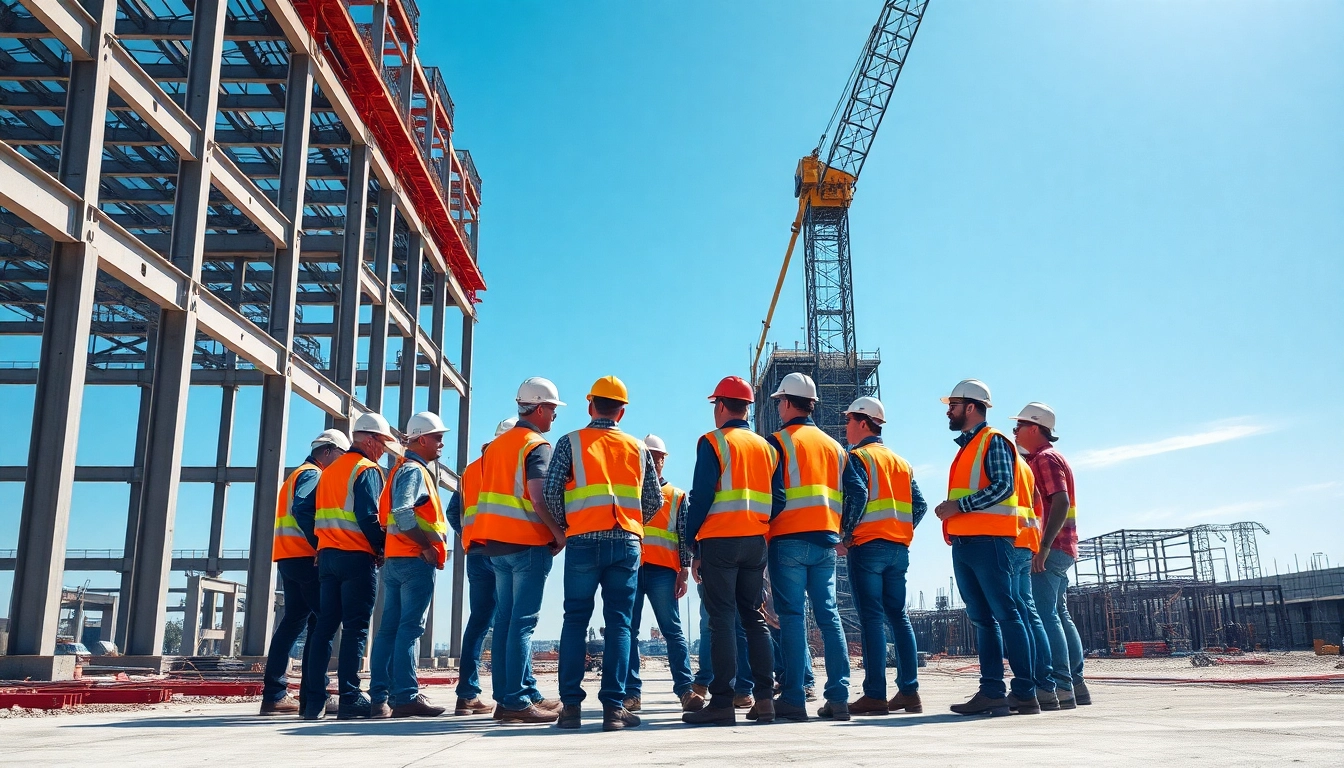
Safety is paramount during structural steel installation. Effective implementation of safety protocols protects workers from potential hazards associated with working at heights, handling heavy materials, and operating heavy machinery. Essential safety practices include regular safety training, using personal protective equipment (PPE), establishing clear communication protocols, and conducting safety audits before initiating work on-site. Promoting a culture of safety ensures not only compliance with regulations but also fosters a protective work environment.
Common Challenges in Structural Steel Installation
Weather-Related Issues
Weather conditions can significantly impact the scheduling and effectiveness of structural steel installation. Adverse weather such as heavy rain, extreme cold, or high winds can delay work and create safety hazards. Proactive planning that includes weather forecasts can help in anticipating potential disruptions. If severe weather is expected, it may be necessary to implement temporary measures, such as waterproof coverings or additional scaffolding, to protect workers and materials on-site.
Logistical Constraints
Logistical challenges are common during the installation of structural steel due to the size and volume of materials involved. Proper planning of material delivery schedules is essential to avoid bottlenecks. Additionally, site layout must accommodate the maneuverability of cranes and equipment. To mitigate these issues, effective coordination with suppliers and contractors, utilization of prefabricated components, and accurate site assessments are crucial steps towards ensuring seamless operations.
Quality Control and Inspections
Quality control is a critical element during structural steel installation, as any lapses can lead to structural failures. Regular inspections should be conducted at various stages of the process, including material verification, weld inspections, and final assessments after installation. Employing third-party inspectors can provide an unbiased review of the work completed. Establishing a robust quality assurance program reinforces best practices and ensures compliance with both industry standards and project specifications.
Measuring Success in Structural Steel Installation
Performance Metrics and KPIs
To evaluate the success of a structural steel installation project, performance metrics and key performance indicators (KPIs) must be defined. Common KPIs include the timeline adherence, budget compliance, safety incident rates, and quality assurance results. Tracking these metrics allows project managers to identify areas for improvement and ensures accountability within the team. Regular progress reporting, paired with data analysis, can provide insights into project effectiveness and drive better decision-making.
Feedback Loops and Continuous Improvement
Integrating feedback mechanisms throughout the installation process is vital for fostering continuous improvement. Collecting input from workers, project managers, and stakeholders can reveal practical insights and highlight potential issues. Regular review meetings can facilitate communication about performance results and allow for collaborative problem-solving. Learning from both successes and challenges contributes to refining processes and enhancing overall project outcomes.
Case Studies of Successful Projects
Examining successful case studies in structural steel installation provides valuable lessons and benchmarks for quality practices. Analyzing diverse projects—ranging from simple buildings to complex infrastructure—offers perspectives on innovative techniques, effective project management, and lessons learned during installation. By identifying the challenges faced and the solutions implemented, stakeholders can enhance their practices and apply effective strategies to future projects.