Understanding Fly Fishing for Bass
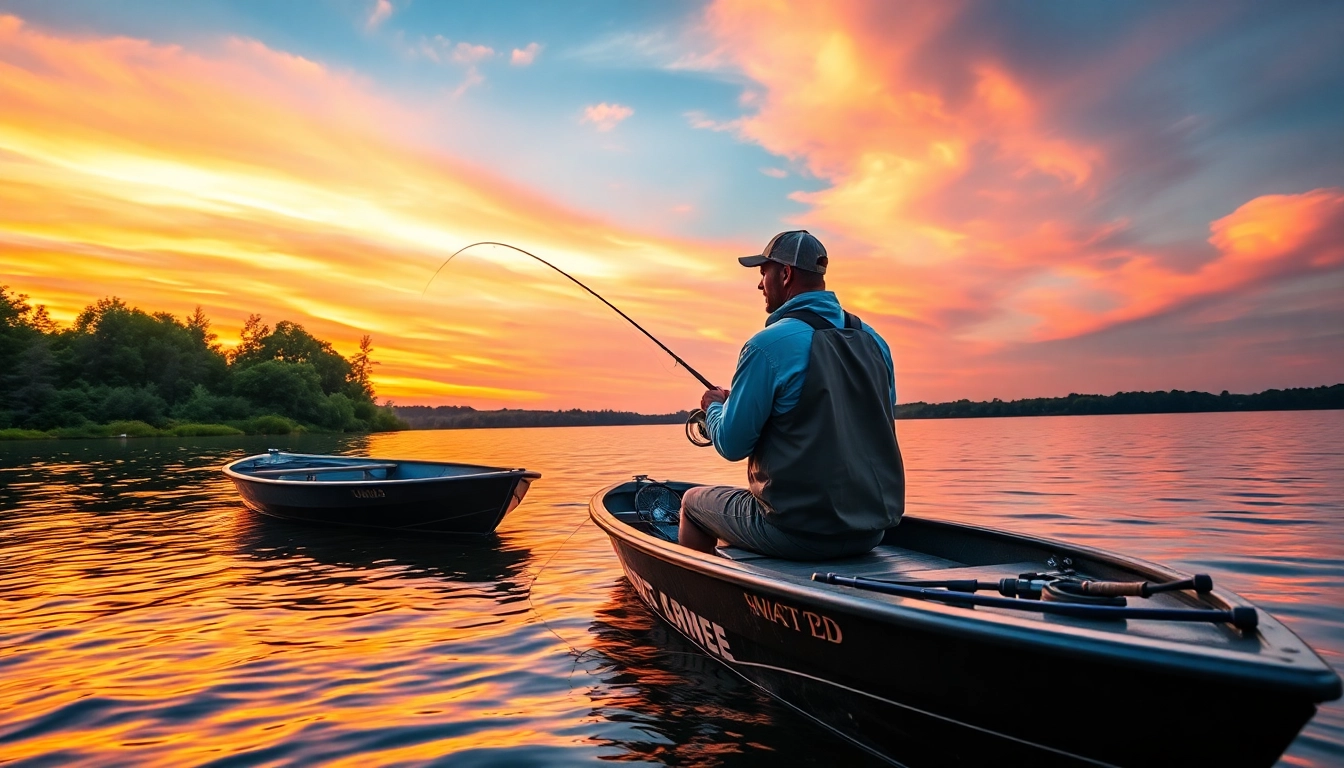
Fly fishing for bass is an exhilarating and rewarding pursuit that combines the finesse of fly casting with the thrill of catching one of America's most popular sport fish. Unlike traditional spinning or baitcasting methods, fly fishing employs lightweight artificial flies designed to mimic the prey of bass, bringing a new level of challenge and excitement to the angler. By focusing on specific techniques, gear, and knowledge of bass behavior, you can significantly increase your chances of success on the water. Many anglers are starting to embrace Fly fishing for bass as their preferred method, leading to a revival of interest in this sport.
What Makes Fly Fishing Unique
Fly fishing is distinct from other fishing methods primarily due to its technique and equipment. At its core, it requires an understanding of presenting the fly delicately on the water, meticulously managing line and rod movement. Unlike conventional fishing, where weights often pull the bait down, fly fishing relies on the buoyancy of the fly. This unique approach requires skill and practice, as the angler must not only cast accurately but also read water currents and fish behavior effectively.
The art of fly casting is an integral part of this sport, incorporating roll casts, overhead casts, and mends to control the line and ensure an optimal presentation of the fly. This enhances the experience as anglers connect with nature, observing their surroundings and adapting to changing conditions.
Key Species: Largemouth and Smallmouth Bass
When it comes to bass fishing through fly methods, the two primary species targeted are the largemouth bass and the smallmouth bass. Largemouth bass are known for their aggressive feeding habits and can reach impressive sizes, often found in weedy lakes, ponds, and slow-moving rivers. In contrast, smallmouth bass prefer cooler waters and are usually found in rocky rivers and lakes. They are known for their fighting spirit and acrobatic leaps when hooked, which can make for an exhilarating battle.
Understanding the characteristics, habitats, and feeding habits of these species is crucial for any angler looking to succeed in fly fishing for bass. It is essential to consider each species' preferences when selecting flies, locations, and fishing techniques.
Preferred Habitats and Conditions
Bass are highly adaptable and thrive in a variety of environments. For largemouth bass, look for locations with plenty of cover, such as submerged vegetation, lily pads, and fallen trees. They tend to favor warmer waters and are most active during warmer months, especially early morning and late afternoon. During summer, bass may retreat to deeper, cooler waters as the temperature rises.
Smallmouth bass, on the other hand, prefer more oxygen-rich and cooler waters, typically inhabiting rocky rivers, clear lakes, and streams. They can often be found near structure, such as boulders or submerged logs, where they ambush prey. Understanding the specific environmental conditions and habitat preferences of each bass species allows anglers to increase their success rate when targeting them.
Essential Gear for Fly Fishing for Bass
Rods, Reels, and Lines: What to Choose
The choice of equipment is fundamental to ensuring an enjoyable and productive fly fishing experience. When selecting a fly rod for bass, a 6- to 8-weight rod is typically ideal, as it provides the necessary strength to handle these robust fish. Look for a fast-action rod that allows for quick and powerful casting, especially when fishing in windy conditions.
Coupling your rod with a suitable reel is equally important. A large arbor reel with a good drag system will help manage larger fish and handle the demands of various line types. Additionally, choose a weight-forward floating line for most situations, though a sink-tip line can be advantageous for fishing deeper waters.
Must-Have Flies for Bass Fishing
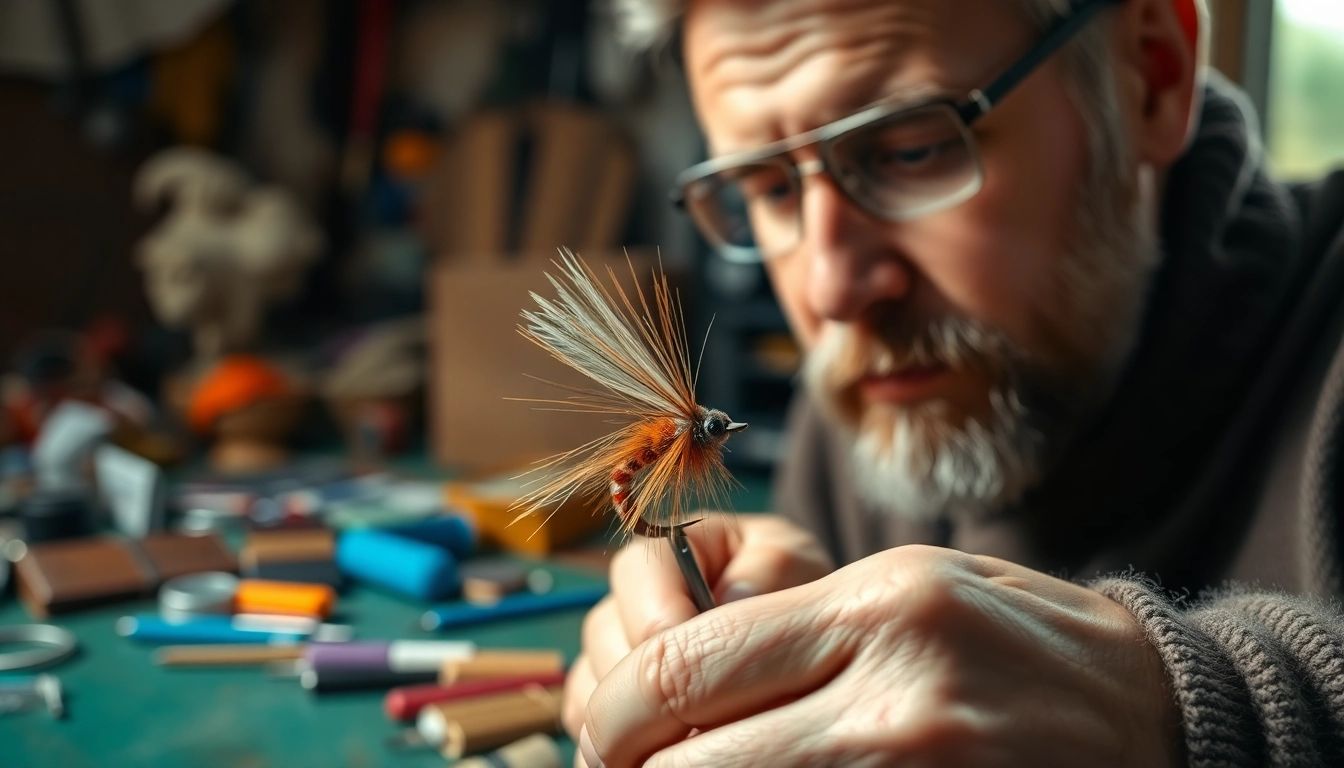
Choosing the right flies is critical in enticing bass. Flies designed for bass can vary in size, color, and presentation style. Common choices include:
- Poppers: These surface flies create a noisy disturbance that mimics wounded prey, attracting explosive strikes from aggressive bass.
- Streamers: Streamer flies imitate baitfish and can be fished at various depths. Selecting patterns that match local forage will improve your success.
- Deer Hair Flies: Flies made from deer hair can float and displace water, creating a unique action that entices bass to strike.
It's beneficial to have a versatile fly box with both floating and sinking options, allowing you to target various depths and adapt to changing conditions.
Accessories to Enhance Your Experience
In addition to rods, reels, and flies, the right accessories can significantly enhance your fly fishing experience. Essential items include:
- Floating Line Conditioner: Helps maintain the buoyancy of your line, ensuring it performs well on the water.
- Landing Net: A good landing net is vital for safely returning fish to the water, as it minimizes injury to both the fish and yourself.
- Polarized Sunglasses: Not only do these protect your eyes from glare, but they also allow you to see beneath the water's surface, spot fish, and avoid obstacles.
- Fly Boxes: Keep your assortment of flies organized and in good condition.
Investing in quality accessories can make a noticeable difference in both catch rates and overall enjoyment of the experience.
Techniques for Successful Fly Fishing for Bass
Effective Casting Techniques
The foundation of successful fly fishing lies in the ability to cast effectively. Mastering various casting techniques, such as the double haul or roll cast, can make all the difference, especially in confined spaces or windy conditions.
A double haul allows you to generate more line speed and distance, while a roll cast is useful for positioning flies when space is limited or when fishing tight spots near cover. Practice your casting regularly to become proficient, as precision is particularly crucial when targeting wary bass.
Understanding Bass Behavior and Feeding Patterns
Incorporating knowledge of bass behavior and feeding patterns into your strategy will elevate your chances of success. Bass are generally opportunistic feeders, taking advantage of whatever prey is most abundant. In the early mornings and late afternoons, they are most active, often feeding near the surface.
Pay attention to the time of year and weather conditions. During the spawn, bass will be more aggressive, offering anglers an excellent opportunity. Understanding water temperature, weather changes, and ambient light conditions will allow you to identify peak feeding times and adjust your fishing strategy accordingly.
Fishing Seasonality and Its Impact on Success
Fishing for bass is heavily influenced by seasonal changes. In spring, as water temperatures begin to warm, bass become more active, moving toward shallower waters to spawn. This is a prime time for fly fishing, as they are aggressive and feeding heavily. Summer can be a challenge due to warmer surface temperatures pushing bass to deeper waters. Autumn sees bass feeding heavily in preparation for winter, making it another favorable time for fly fishing. Winter fishing can still be productive in milder climates if the right flies and techniques are employed.
Best Practices for Fly Fishing for Bass
Conservation and Ethical Fishing
As responsible anglers, practicing conservation is vital to preserving bass populations and their habitats. Catch and release techniques should be employed to minimize injury to fish. Ensure you have the right tools, such as barbless hooks and proper nets, to release fish safely. Additionally, respecting local regulations regarding size and catch limits contributes to the sustainability of bass fishing.
Staying Safe and Prepared on the Water
Safety should be a top priority while fishing. Always wear a personal flotation device if you are on a boat, and keep an emergency kit on hand. It is advisable to fish with a partner and inform someone about your plans. Monitor weather conditions, and be prepared for sudden changes that could put you at risk.
Common Mistakes and How to Avoid Them
Every angler makes mistakes, but learning to recognize and avoid common pitfalls can lead to greater success:
- Overcasting: Anglers often cast too far, causing flies to land out of the target area. Practice your distance control to enhance precision.
- Poor Fly Selection: Understanding the current forage is essential. Always adapt your fly choices to what bass are naturally eating in that region.
- Ignoring Water Conditions: Factors such as water temperature, clarity, and current can affect bass behavior. Always adjust your strategy to these conditions.
Advanced Strategies for Fly Fishing for Bass
Adapting to Different Fishing Environments
Being able to adapt your tactics to various environments, whether they be lakes, rivers, or ponds, is vital for success. For instance, in a river setting, focus on casting upstream and allowing your fly to drift naturally with the current. In lakes, look for fish near structure or along weed lines.
These environments influence bass feeding patterns, so adjusting your approach based on the habitat is crucial for improving your catch rate. Take time to explore different areas and learn how bass behave in each environment.
Utilizing Technology for Better Results
Modern technology provides anglers with valuable tools that can enhance their success. Fish finders, GPS units, and mobile applications offer insights into water temperature, structure, and current locations of fish. Utilizing these tools can save time and provide information on which areas may be most fruitful for fishing.
Moreover, video analysis of casting techniques can provide feedback and allow you to fine-tune your performance. Combining traditional skills with technology creates a comprehensive strategy for fly fishing.
Networking with Other Anglers for Learning
The fly fishing community offers a wealth of knowledge and experience. Engaging with local fishing groups, online forums, or attending workshops can provide you with insights and tips that may boost your skills. Networking allows you to gain practical advice and learn from others' successes and mistakes, profoundly enhancing your own understanding of fly fishing for bass.