Future Trends in Outsourced Game Testing You Should Know
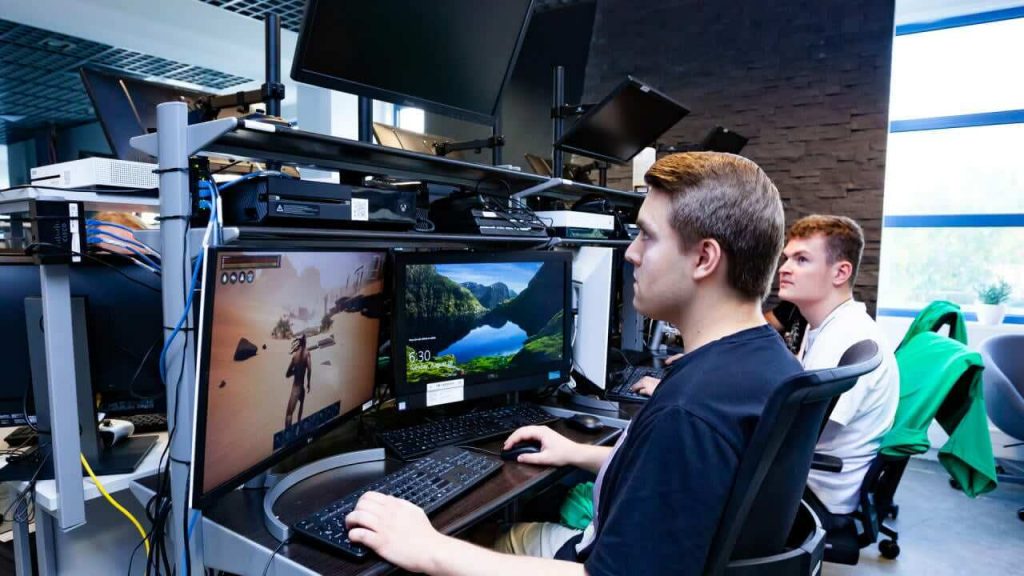
The gaming industry is evolving at an unprecedented pace, and so is the demand for high-quality game experiences. Ensuring a game performs flawlessly requires extensive testing, which can be both time-consuming and expensive. This is where outsourced game testing comes into play. Outsourcing game testing allows developers to leverage specialized expertise, reduce costs, and accelerate time-to-market. In this article, we will explore the future trends in outsourced game testing that every game developer and publisher should be aware of.
Growing Demand for Outsourced Game Testing
As the gaming market expands, developers are increasingly turning to outsourced game testing to handle the growing complexity of modern games. With the rise of mobile, PC, console, and cloud gaming, testing has become more challenging than ever. Outsourced game testing services provide access to a global pool of skilled testers who can perform functional, performance, and compatibility testing across multiple platforms and devices. This approach not only ensures high-quality releases but also allows internal teams to focus on development and innovation.
Integration of AI and Automation
One of the most significant trends in outsourced game testing is the integration of AI and automation tools. Automated testing can handle repetitive and time-intensive tasks such as regression testing, performance benchmarking, and bug detection, which speeds up the testing process significantly. AI-driven analytics can also predict potential problem areas based on historical data, allowing testers to focus on high-risk components. As AI continues to evolve, outsourced game testing providers are expected to offer more sophisticated and predictive testing solutions, reducing human error and improving overall game quality.
Cloud-Based Testing Solutions
Cloud technology is transforming how games are tested. Cloud-based outsourced game testing allows testers to access games remotely, perform real-time testing on multiple devices, and simulate different network conditions. This approach is particularly beneficial for multiplayer and online games that require extensive server load and connectivity testing. Cloud solutions also make it easier for development teams to scale testing efforts up or down based on project requirements, offering both flexibility and cost efficiency.
Focus on User Experience
The future of outsourced game testing is moving beyond just technical bug detection. User experience (UX) testing is gaining prominence as developers recognize the importance of player satisfaction. Outsourced testing teams now provide detailed feedback on gameplay mechanics, graphics, interface design, and overall game engagement. This insight helps developers create games that not only function well but also captivate and retain players, giving them a competitive edge in a crowded market.
Cross-Platform and Multi-Device Testing
With players accessing games on a variety of devices, from smartphones and tablets to consoles and PCs, cross-platform testing has become a critical component of outsourced game testing. Testers must ensure that games perform consistently across different operating systems, screen resolutions, and hardware specifications. Future trends indicate that the demand for multi-device testing will continue to rise, with outsourced game testing providers expanding their capabilities to cover emerging platforms such as VR and AR devices.
Cybersecurity and Compliance Testing
As games become more connected and data-driven, security is a growing concern. Cybersecurity and compliance testing are now essential components of outsourced game testing. Testing providers are increasingly expected to identify vulnerabilities, assess data protection measures, and ensure compliance with international regulations such as GDPR. In the future, outsourced game testing will play a vital role in safeguarding both player data and the integrity of the gaming experience.
Collaborative Testing Models
Collaboration between in-house development teams and outsourced game testing providers is becoming more seamless with modern project management tools. Agile and DevOps methodologies are being integrated into outsourced testing processes, allowing for continuous feedback, rapid bug fixes, and iterative improvements. This collaborative approach ensures that games meet quality standards without slowing down development timelines.
Cost Efficiency and Scalability
One of the primary reasons companies opt for outsourced game testing is cost efficiency. Hiring and training an in-house testing team can be expensive, particularly for large-scale or complex games. Outsourcing provides scalable solutions where resources can be adjusted based on project demands. As the industry grows, outsourced game testing providers are expected to offer more flexible pricing models, making high-quality testing accessible to both indie developers and large studios.
Conclusion
The future of outsourced game testing is shaped by innovation, automation, and a deeper focus on user experience. From AI-driven testing and cloud-based solutions to cross-platform and security-focused testing, outsourcing offers developers a competitive edge in an increasingly complex gaming landscape. By leveraging outsourced game testing, companies can ensure their games perform flawlessly across devices, provide engaging experiences to players, and stay ahead of industry trends while managing costs effectively. As the gaming market continues to expand, embracing these future trends in outsourced game testing will be essential for success.