
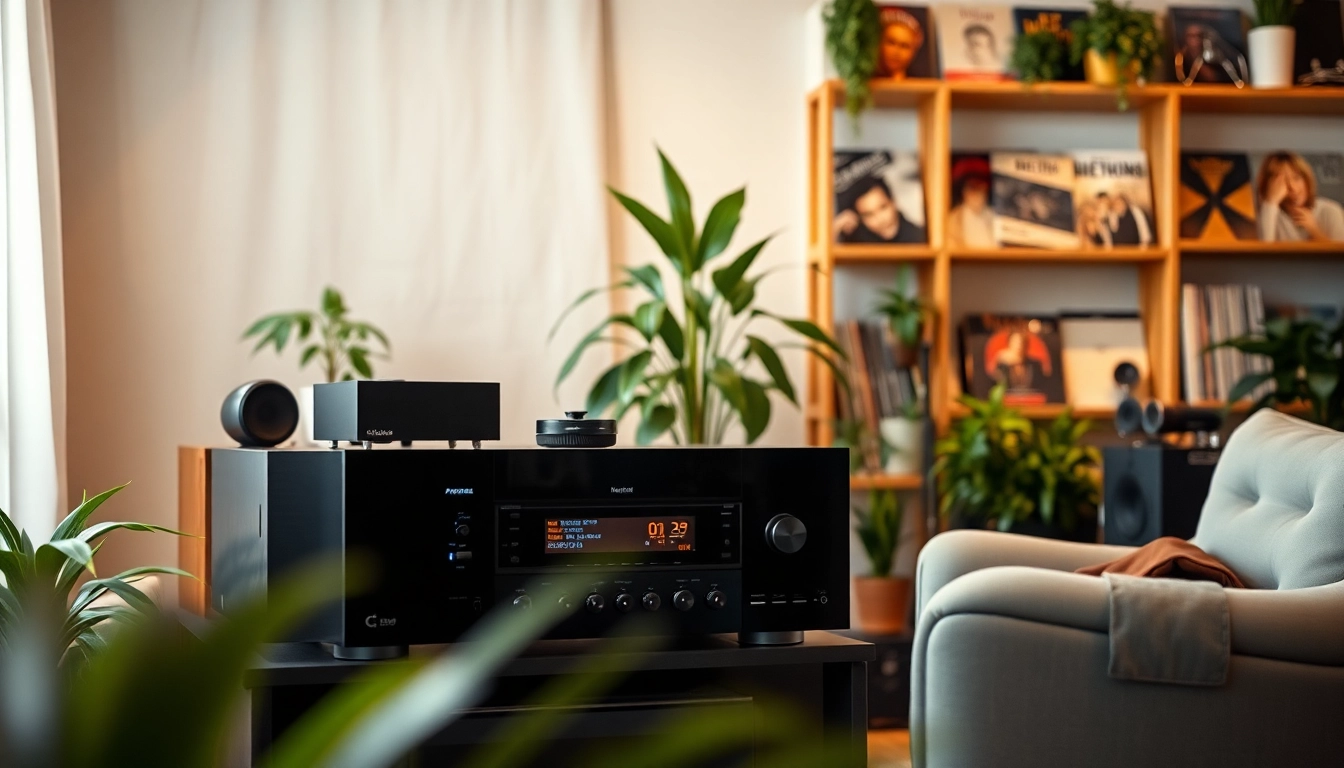
Understanding the Audio CD Format
The audio cd has been a cornerstone in the world of music, delivering a unique audio experience that has largely shaped the modern music industry. This article aims to explore the various aspects of audio CDs, shedding light on their historical context, technical specifications, benefits, and their place in today’s digital landscape.
Historical Context of Audio CD
The inception of the audio CD dates back to the early 1980s when the technology with which we are familiar today began to take shape. Pioneered by Philips and Sony, audio CDs were developed as a means to provide superior sound quality compared to cassette tapes and vinyl records. The first commercial audio CDs were released in 1982, and their introduction marked a revolutionary shift in how people consumed music.
Initial skepticism surrounded the audio CD format, particularly regarding its sound quality and durability. Over time, pressing advancements led to increased trust in this format, and by the late 1980s, audio CDs began to dominate the music market, leading to the decline of vinyl and cassette sales.
Technical Specifications of Audio CD
An audio CD adheres to the Compact Disc Digital Audio (CDDA) standard, which delineates specifications for audio storage. An audio CD can hold up to 80 minutes of uncompressed audio, which translates to approximately 700 MB of digital data. Each audio track on a CD is recorded in a Linear Pulse Code Modulation (LPCM) format, ensuring high fidelity and realistic sound reproduction.
The bit rate for audio CD tracks is typically 1,411 kilobits per second (kbps), significantly higher than that of commonly used audio formats like MP3. This leads to richer sound quality, essential for audiophiles and casual listeners alike.
Benefits of Using Audio CD
Despite the rise of digital formats, audio CDs offer distinct advantages that maintain their relevance. Primarily, audio CDs provide uncompressed quality sound, which many users favor over compressed alternatives that often compromise audio clarity. Additionally, they are not subject to the pitfalls of digital media, such as file corruption or accidental deletion.
Moreover, physical music collections possess an intrinsic value. The tactile experience of handling an audio CD, along with cover art and liner notes, provides a connection to the music that digital formats often lack. There’s a sense of ownership and nostalgia that can only be fulfilled by a CD collection.
Choosing the Right Audio CD
With a plethora of audio CDs available, choosing the right one can be overwhelming. Here, we delve into genres, pricing, and where to find unique collections to enrich your audio library.
Genres and Categories of Audio CD
Audio CDs span a multitude of genres, catering to diverse musical tastes. From classical and jazz to rock, pop, and hip-hop, the availability of music in CD format remains vast. Depending on personal preferences, collectors may wish to explore niche genres such as world music, electronic, or even soundtracks that may have unique offerings.
Specialty labels have also emerged, offering curated collections that feature rare tracks and exclusive recordings. These collections can be particularly appealing for audiophiles seeking hard-to-find music that goes beyond mainstream offerings.
Reasonable Price Ranges for Quality Audio CD
The price of an audio CD can range significantly based on factors such as rarity, popularity, and whether it is a new release or a remastered edition. Generally, most standard audio CDs can be found within the $10 to $20 range, while imported or special edition CDs may cost $25 and above.
Collector’s items and vintage releases can command even higher prices, particularly if they are in excellent condition or come with original packaging. Assessing the value of an audio CD is crucial for collectors who want to make informed purchasing decisions.
Where to Find Unique Audio CD Collections
Finding unique audio CDs requires a blend of online resources and brick-and-mortar stores. While mainstream retailers cater to current hits, independent record stores and specialized shops often carry rare finds and reissues of classic albums.
Online marketplaces also provide platforms for collecting audio CDs, featuring everything from new releases to used items at competitive prices. Websites dedicated to music, auction sites, and second-hand sales can be treasure troves for dedicated collectors.
Playback Devices and Experience
To fully enjoy the benefits of audio CDs, utilizing the right playback devices is vital. Here, we examine various devices, setting up a listening environment, and maintain the integrity of your collection.
Best Devices for Audio CD Playback
There are numerous devices available that are optimized for high-fidelity playback of audio CDs. Conventional CD players offer basic functionality, while specialized hi-fi systems may include additional features such as DACs (digital-to-analog converters) that improve sound quality.
In recent years, multi-format players have gained popularity, offering users the option to play audio CDs, DVDs, and even digital formats. Many devices now boast Bluetooth and Wi-Fi capabilities, allowing for easy integration into modern home audio systems.
Setting Up Your Audio CD Listening Station
Creating an optimal listening experience involves more than just selecting the right player. Acoustic space, speaker placement, and ambient noise can all impact sound quality. Positioning speakers at ear level and away from walls can help eliminate distortion and enhance audio clarity.
Furthermore, it’s essential to consider the aesthetics of the listening space. Having a well-organized collection and using aesthetically pleasing storage solutions can add to the enjoyment of listening to your audio CD collection.
Tips for Maintaining Your Audio CD Collection
Maintaining an audio CD collection involves more than simply storing them on a shelf. Proper handling is crucial; cleaning CDs with a soft, lint-free cloth can prevent scratches and extend their lifespan. Additionally, storing them in cases that protect them from environmental factors such as sunlight and humidity can help keep them in prime condition.
Labels can also be a source of degradation; it’s advisable to avoid writing directly on the disc. Instead, utilize CD safe markers or digital labeling for preservation. An organized collection with a tracking system can help manage your inventory efficiently.
Trends in the Audio CD Market
The audio CD market has undergone numerous transitions, especially with the influx of digital formats. Exploring current trends can provide insights into the future of audio CDs in a predominantly digital world.
Resurgence of Vinyl vs. Audio CD
In recent years, vinyl records have experienced a renaissance, attracting both old and new generations of music enthusiasts. While vinyl has garnered significant attention for its rich sound quality and nostalgic appeal, audio CDs still have their place.
Unlike vinyl, audio CDs provide portability, ease of playback, and the convenience of skipping and repeating tracks. Additionally, the digital integrity of audio CDs ensures they remain viable for audiophiles focused on sound fidelity.
New Releases and Special Editions
Music labels continue to issue new releases and special editions of albums in audio CD format. Deluxe editions typically include unreleased tracks, remixes, or collector’s art. These editions offer collectors exclusive materials that can heighten their appreciation of their favorite artists.
Moreover, Record Store Day has catalyzed enthusiasm toward special edition releases, reviving interest in physical music and fostering community engagement among audiophiles and casual music fans alike.
Influence of Digital Formats on Audio CD Sales
The convenience of streaming services has impacted audio CD sales, presenting challenges for physical formats. However, data indicates that many consumers still appreciate owning physical copies of their favorite music, leading to niche audiophile markets.
Furthermore, CD sales spikes can often correlate with artist tours or promotions. Limited-time offers or exclusive merchandise bundles can also initiate renewed interest in audio CDs, showcasing the format’s potential for sustained relevance.
Creating Your Own Audio CD
For music enthusiasts interested in curating their own compilations, creating an audio CD is an exhilarating endeavor. This section covers the tools required, step-by-step procedures, and tips for ensuring quality in this DIY process.
Tools Required for DIY Audio CD Creation
To make your own audio CD, you will need a computer with a DVD/CD drive, blank recordable CDs (CD-R preferred for audio), and CD burning software. Many operating systems come pre-installed with software capable of burning CDs; however, dedicated programs can offer more robust options for creating compilations.
Additionally, a good set of headphones or speakers for monitoring will help ensure that the audio quality meets your expectations during the creation process.
Step-by-Step Guide to Making an Audio CD
- Gather your audio files – ensure they are in compatible formats (e.g., WAV, MP3) for CD burning.
- Open your CD burning software and select the option to create a new audio CD.
- Import the audio files into the project, ensuring they are in the correct order and formatting.
- Adjust any necessary settings, such as track titles and pauses between tracks.
- Insert a blank CD-R into the drive and initiate the burn process.
- Once the burning process is complete, finalize the CD to make it playable on standard CD players.
Ensuring Quality when Burning Audio CD
To achieve the best results from your DIY audio CD, several best practices should be followed. Use high-quality audio sources to prevent clipping or distortion in the final product, and ensure your software settings are configured for optimal audio fidelity.
Taking the time to listen to a test burn before committing to a final version can help catch any potential issues while creating the CD. Always keep your CD burner firmware up to date, as software advances can lead to improved performance and audio quality.


