
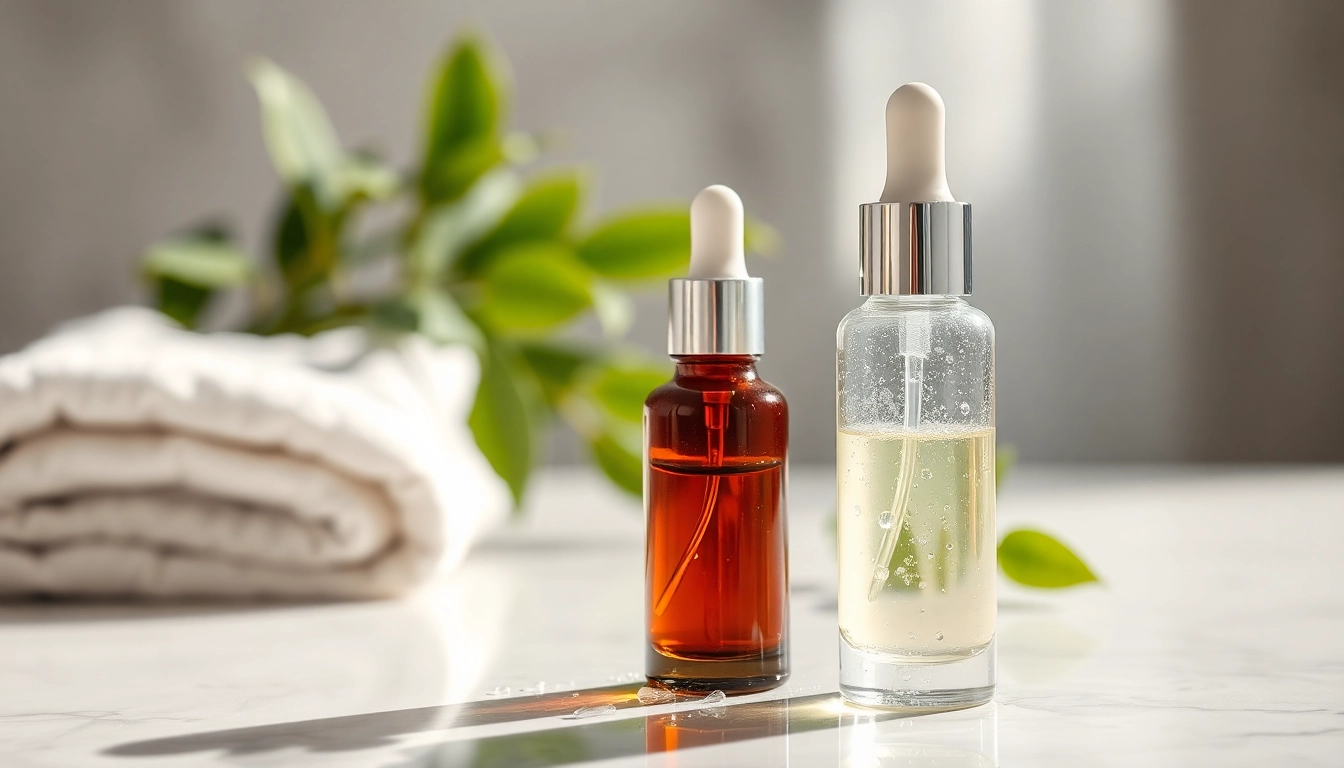
Understanding Growth Factor Serum
What is Growth Factor Serum?
Growth factor serums are specialized skincare products formulated to harness the power of growth factors—proteins that play a crucial role in cellular communication and regeneration. These serums are designed to stimulate the skin’s natural healing processes, promoting cell turnover and enhancing overall skin appearance. By utilizing growth factor serum, users can experience visible improvements in skin texture, firmness, and hydration levels.
How Growth Factor Serum Works
The effectiveness of growth factor serums stems from their ability to activate specific cellular processes associated with skin repair and rejuvenation. Growth factors such as Epidermal Growth Factor (EGF) work by binding to receptors on skin cells, triggering a cascade of biological responses. These include:
- Increased Collagen Production: Stimulates fibroblasts to create more collagen, which supports skin structure.
- Enhanced Cell Turnover: Accelerates the rate at which skin cells regenerate, leading to fresher, younger-looking skin.
- Improved Skin Barrier Function: Strengthens the outer layer of skin, making it more resistant to environmental stressors.
The combined effect of these responses results in a more resilient and youthful complexion, making growth factor serums a popular choice among skincare enthusiasts.
Key Ingredients in Growth Factor Serum
Growth factor serums may contain a variety of active ingredients that contribute to their effectiveness. Common ingredients include:
- Peptides: Short chains of amino acids that help in signaling skin cells for repair and growth.
- Hyaluronic Acid: A powerful humectant that draws moisture from the environment into the skin, enhancing hydration.
- Vitamin C: An antioxidant that aids in skin brightening and protection against free radical damage.
- Plant Extracts: Natural ingredients that provide additional nourishment and can calm irritated skin.
These ingredients work synergistically with growth factors to maximize results, targeting various aspects of skin health.
Benefits of Using Growth Factor Serum
Anti-Aging Properties
One of the primary benefits of growth factor serums is their anti-aging potential. As we age, the skin’s ability to produce collagen and elastin decreases, leading to wrinkles, sagging, and loss of elasticity. Growth factor serums can help mitigate these effects by:
- Stimulating collagen synthesis and deployment within the skin.
- Promoting cellular turnover to reduce the appearance of fine lines and wrinkles.
- Enhancing skin hydration, resulting in a plumper and more youthful appearance.
Boosting Skin Repair
Beyond anti-aging, growth factor serums are renowned for their ability to enhance skin repair mechanisms. This is particularly beneficial for individuals who suffer from:
- Acne scars.
- Sun damage.
- Environmental stressors that deteriorate skin health.
By promoting faster healing and renewal of skin cells, growth factor serums help reduce the visibility of imperfections and restore skin health.
Enhancing Skin Hydration
Hydration is key to maintaining skin health and appearance. Growth factor serums, especially those containing hyaluronic acid, provide intense moisture by:
- Attracting water molecules to the skin.
- Preventing water loss, thereby maintaining skin plumpness.
- Improving overall skin texture and reducing dryness.
The hydrating benefits of these serums support skin health at a cellular level, ensuring the skin remains supple and vibrant.
How to Incorporate Growth Factor Serum into Your Routine
Best Time to Apply
To maximize the effectiveness of growth factor serums, it’s essential to apply them at the right time. The most beneficial times to use these serums include:
- Morning: After cleansing and before moisturizing to ensure optimal absorption throughout the day.
- Night: Allowing the serum to work while your skin undergoes its natural repair processes during sleep.
Layering with Other Products
Growth factor serums can be effectively layered with other skincare products:
- Before Moisturizers: Applying the serum first allows it to penetrate deeply before hydrating products.
- Complementing Other Treatments: Using serums like retinols or peptides can enhance anti-aging effects.
However, it is essential to avoid mixing active ingredients that may counteract each other unless recommended by a skincare professional.
DIY Skincare Routine with Growth Factor Serum
Here’s a suggested daily skincare routine incorporating growth factor serums:
- Cleanser: Start with a gentle cleanser suitable for your skin type.
- Toner: Use a hydrating toner to prep the skin.
- Growth Factor Serum: Apply a few drops and gently massage it into the skin.
- Moisturizer: Seal in the serum with a nourishing moisturizer.
- Sunscreen: Don’t forget to use a broad-spectrum sunscreen during the day.
This routine ensures your skin receives a blend of essential nutrients while promoting its rejuvenation.
Common Myths about Growth Factor Serum
Myth 1: Growth Factor Serum Is Just Another Moisturizer
While growth factor serums often incorporate hydrating ingredients, their primary purpose is to stimulate skin repair and rejuvenation, unlike standard moisturizers which may primarily focus on hydration.
Myth 2: You Can’t Use Growth Factor Serum with Retinol
This misconception arises from the belief that active ingredients should not be mixed. In reality, using growth factor serums with retinol can yield synergistic benefits when appropriately layered in your routine.
Myth 3: Growth Factor Serum Is Only for Older Skin
Many believe these serums are only beneficial for mature skin. However, incorporating growth factors into your skincare routine early can help prevent signs of aging and maintain youthful skin.
Choosing the Right Growth Factor Serum for You
Skin Type Considerations
Identifying your skin type is crucial when selecting a growth factor serum. For example:
- Oily Skin: Look for lightweight, gel-based formulas.
- Dry Skin: Opt for serums with more moisturizing ingredients.
Matching the serum to your skin’s characteristics enhances its effectiveness and prevents irritation.
Price vs. Efficacy
Price is often an indicator of quality, but it is important to review ingredient lists and the serum’s formulation. Higher-priced options may contain more advanced or higher concentrations of growth factors, which could enhance efficacy.
Reading Reviews and Best Practices
Before purchasing a growth factor serum, it can be beneficial to read user reviews and testimonials. Look for serums with a proven track record in improving skin concerns similar to your own. Additionally, following best practices—like consistent use and proper storage—ensures you get the most from your investment.
FAQs about Growth Factor Serum
What does a growth factor serum do?
Growth factor serums boost collagen production and promote cell turnover. They help target fine lines, improve skin texture, and strengthen the skin barrier against environmental stressors.
Is growth factor serum better than retinol?
Not necessarily. They work differently; retinol boosts cell turnover while growth factors support regeneration and collagen synthesis. Both can be effective when used together.
Are growth factors better than peptides?
Growth factors support broader skin regeneration, while peptides address specific concerns like firmness. Using both together can enhance overall skin health.
Can I apply makeup over growth factor serum?
Yes, once the serum has fully absorbed (usually a few minutes), you can apply makeup over it for a smoother finish and enhanced skin benefits throughout the day.
How long does it take to see results from a growth factor serum?
Results can vary, but most people start to see noticeable improvements within 4 to 8 weeks of consistent use, with continued benefits over time.