
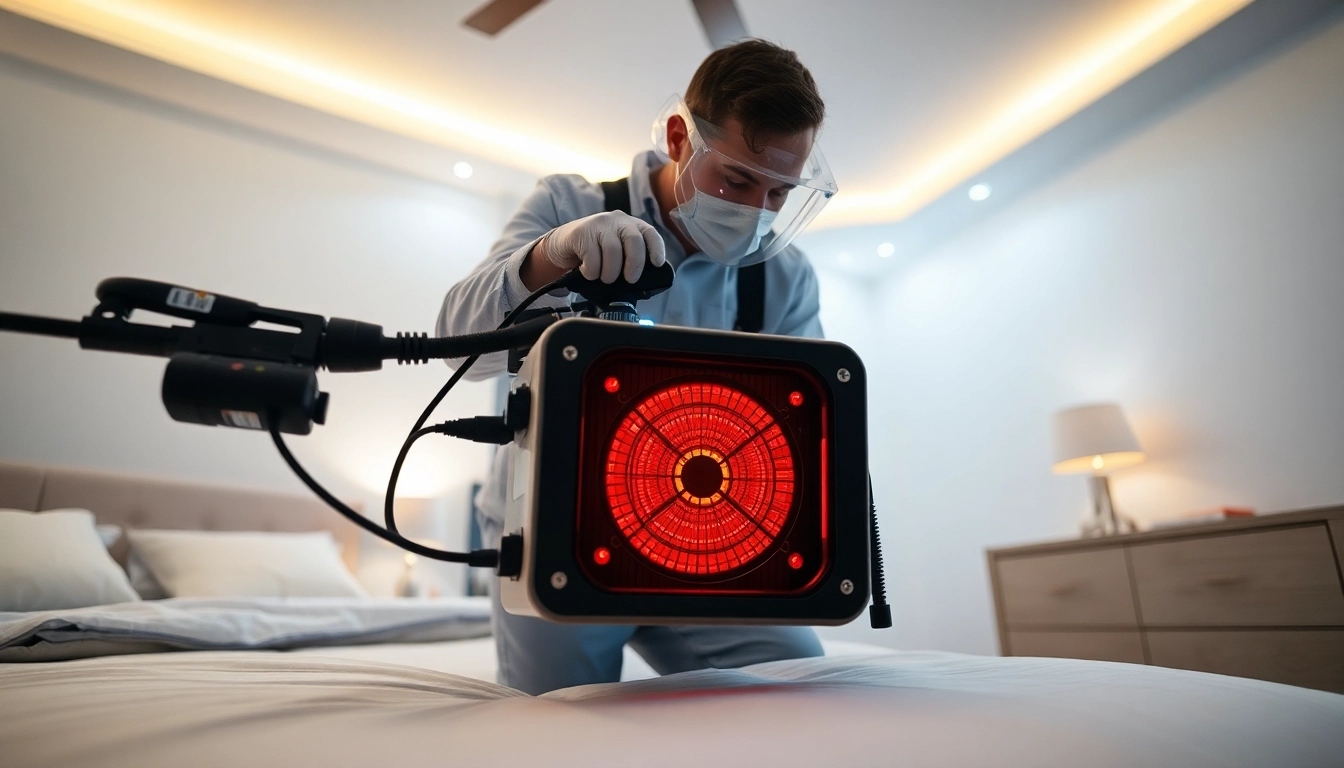
Understanding Bed Bug Heat Treatment
What Is Bed Bug Heat Treatment?
Bed bug heat treatment is a technique used to eradicate bed bug infestations by raising the ambient temperature of an affected area to levels lethal to these pests. Bed bugs, known scientifically as Cimex lectularius, thrive in areas where they can easily hide in mattresses, furniture, and cracks in walls. Heat treatment leverages the sensitivity of these insects to high temperatures, effectively killing them in all life stages—adults, nymphs, and eggs.
How Heat Treatment Works
During the heat treatment process, specialized equipment generates heat to elevate the temperatures in infested areas to typically around 118°F (48°C) or higher. This sustained temperature is key: it must be maintained for a specific duration, often ranging from 4 to 8 hours, depending on the infestation’s severity and specifics of the environment. The goal is to ensure that every crevice, furniture piece, and even potential hiding spots reaches this lethal temperature. Bed bug heat treatment is becoming increasingly popular due to its effectiveness and chemical-free approach, reducing the risk of chemical exposure for both humans and pets.
Benefits of Using Heat for Bed Bug Extermination
Heat treatment offers several advantages over traditional chemical methods. Some notable benefits include:
- Efficiency: It can kill bed bugs quickly, often in a single treatment session.
- Thermal Penetrability: Heat can penetrate materials such as mattresses and upholstered furniture where chemicals may not reach effectively.
- Environmentally Friendly: As it eliminates the need for chemical pesticides, it is safer for residents and pets.
- Comprehensive Treatment: It treats the entire home, reaching hidden areas where bed bugs might reside.
Preparing for Bed Bug Heat Treatment
Assessment of Infestation Severity
Before undergoing heat treatment, a thorough assessment of the infestation is crucial. Considerations include the extent of the infestation, locations frequented by bed bugs, and the type of environment (e.g., whether the space has multiple rooms or tight spaces). A pest control professional should evaluate these factors to determine the appropriate temperature settings and treatment duration for optimal effectiveness.
Steps to Prepare Your Home
Preparation is key to successful heat treatment. This includes:
- Removing objects: Clear out any items that are not heat-resistant, such as candles, electronics, and perishable food.
- Preparing clothing: Wash and dry any clothing on hot settings to eliminate bed bugs and eggs.
- Securing items: Seal smaller items in plastic bags to protect them from heat exposure.
- Informing residents: Ensure all household members know the treatment schedule and necessary precautions.
Common Mistakes to Avoid
Avoiding preparation mishaps can maximize treatment efficacy. Common mistakes include:
- Leaving items behind: Failing to remove heat-sensitive items can lead to damaging them during treatment.
- Neglecting clothing: Not treating clothing can allow for bed bugs to survive and relocate after treatment.
- Underestimating preparation time: Not allowing sufficient time for preparation can lead to rushed maneuvers and missed steps.
The Bed Bug Heat Treatment Process
Equipment Used in Heat Treatments
Effective heat treatments employ various pieces of specialized equipment that generate and distribute heat evenly throughout the space. Equipment typically includes:
- Portable heaters: These heaters can reach high temperatures required to eliminate bed bugs.
- Thermal imaging cameras: Used to identify areas that require more attention, ensuring even heat distribution.
- Fans: Helps circulate heat and maintain consistent temperatures throughout the treatment area.
What to Expect During Treatment
During the heat treatment, expect the following:
- Initial preparation: The professionals will set up equipment while ensuring a safe environment.
- Heat application: The heaters will raise the temperature of the affected area gradually. Monitoring devices will ensure optimal conditions are maintained.
- Duration of treatment: Treatment may last anywhere from 4 to 8 hours, depending on the area size and infestation.
Post-Treatment Follow-Up Actions
After treatment is complete, follow-up actions are crucial for ensuring the effectiveness of the heat treatment. These include:
- Inspection: Check for any remaining signs of bed bugs, such as bites or visual confirmations of the pests.
- Continued monitoring: Use traps or other monitoring techniques to ensure no new infestations arise.
- Preventive measures: Seal cracks and remove clutter, which can serve as hiding places for bed bugs.
Effectiveness and Limitations of Heat Treatment
Success Rates Compared to Other Methods
Heat treatment has demonstrated high success rates, often achieving over 90% efficacy in eradicating bed bugs when performed correctly. Compared to chemical treatments, heat does not rely on insect behavior but rather on a universal physiological reaction to elevated temperatures. This makes heat a reliable option, as bed bugs cannot develop resistance against it as they might with chemicals.
Factors Influencing Effectiveness
The effectiveness of a heat treatment can be influenced by several factors:
- Temperature and exposure time: Proper temperatures must be reached and maintained to ensure complete extermination.
- Equipment quality: Using professional-grade equipment ensures the heat is effectively distributed and maintained.
- Initial assessment accuracy: An accurate evaluation can determine the best approach and treatment required.
Debunking Myths About Heat Treatment
There are many misconceptions about heat treatment. Some common myths include:
- Heat treatments are unsafe: When executed professionally, heat treatments are very safe.
- Heat can only kill adult bed bugs: Heat kills bed bugs in all life stages, including eggs.
- Heating a room is enough: Professional treatment involves careful monitoring of temperature and time, not just turning on a heater.
Frequently Asked Questions About Bed Bug Heat Treatment
1. How long does a bed bug heat treatment take?
Typically, a full treatment lasts from 6 to 8 hours, depending on the size of the area and the severity of the infestation.
2. Is bed bug heat treatment safe for my belongings?
Yes, when performed correctly, heat treatment is safe for most household items; however, some items may require special handling.
3. Will I need to vacate my home during treatment?
Yes, it is advisable to vacate the premises during the heat treatment for safety and effectiveness.
4. Can heat treatment kill bed bug eggs?
Yes, heat treatment effectively kills bed bugs at all life stages, including eggs when temperatures reach 118°F or higher.
5. How do I know if the treatment was successful?
Post-treatment inspections and monitoring are critical. Signs such as the absence of live bed bugs and previous shed skins indicate success.