
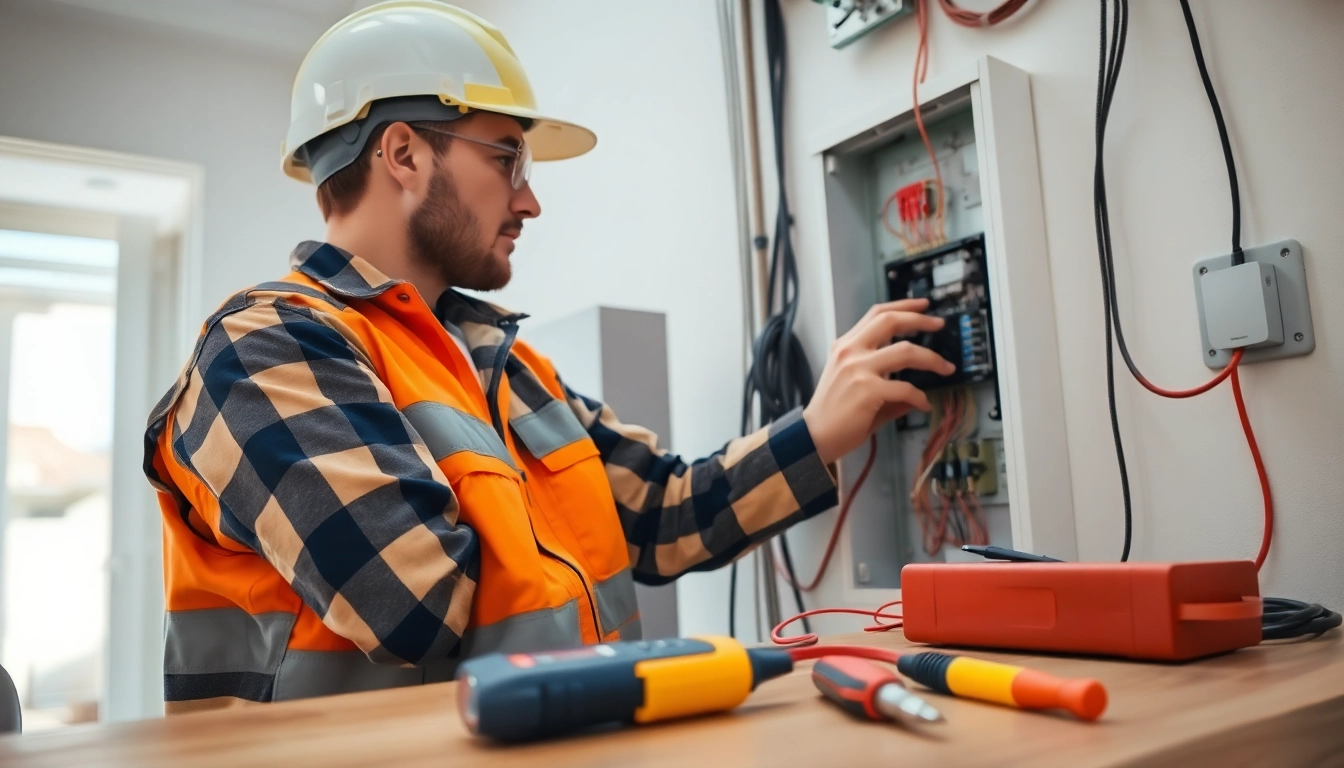
The Importance of Electrical Service Maintenance
Maintaining your electrical systems is crucial for ensuring safety, efficiency, and longevity. Regular electrical service maintenance not only helps prevent unexpected failures but also fosters a safe environment in your home or workplace. By investing time and resources into electrical service maintenance, you can mitigate risks, comply with safety regulations, and potentially save on costly repair bills in the long run.
Understanding Electrical Systems
Electrical systems comprise a variety of components working together: wiring, outlets, circuit breakers, and various appliances. These systems must be understood in terms of their design, function, and interconnectivity. An electrical system is more than just wires and outlets; it includes everything from energy source to the devices that utilize that energy.
Understanding electrical systems is the first step in diagnosing issues and implementing improvements. With knowledge of how electrical systems function, homeowners and business owners can make informed decisions about maintenance and upgrades that enhance safety and performance.
Benefits of Regular Maintenance
Regular maintenance of electrical systems offers numerous benefits:
- Enhanced Safety: Regular inspections reduce the risk of electrical fires caused by faulty wiring or malfunctioning devices.
- Increased Efficiency: Well-maintained systems operate more effectively, leading to reduced energy bills.
- Extended Lifespan: Routine checks help identify wear and tear before it leads to major failures, thus prolonging the life of your electrical components.
- Regulatory Compliance: Regular maintenance ensures that your system meets local codes and regulations, avoiding potential legal issues.
- Peace of Mind: Knowing your electrical system is safe and functioning optimally provides assurance for residents and employees.
Common Electrical Problems
Electrical systems can experience a variety of issues that, if left unaddressed, can lead to significant hazards. Common problems include:
- Overloaded Circuits: Often caused by plugging too many devices into a single outlet.
- Frequent Tripping of Circuit Breakers: This can indicate a short circuit or an overloaded circuit.
- Dimming or Flickering Lights: This can be a sign of poor connections or insufficient power supply.
- Burning Smells or Sparking: This is often related to faulty wiring or overheating devices and requires immediate attention.
Key Components of Electrical Service Maintenance
Inspection of Wiring and Components
A thorough inspection of wiring and components is pivotal in electrical service maintenance. During an inspection, several factors need to be evaluated:
- Wiring Integrity: Look for signs of wear, such as fraying or discoloration.
- Connections: Ensure that all terminals and connections are secure and free of corrosion.
- Grounding: Verify that grounding systems are intact and functional, which is essential for safety.
Testing Safety Devices
Testing safety devices like smoke alarms, GFCI (Ground Fault Circuit Interrupter) outlets, and surge protectors is essential. Regular testing ensures these devices function correctly in emergencies:
- Smoke Alarms: Check that alarms are operational and batteries are fresh.
- GFCI Outlets: Test regularly to ensure they trip correctly when needed.
- Surge Protectors: Inspect to confirm they are in good condition and replacing them periodically is advised.
Maintaining Circuit Breakers
Circuit breakers serve as the first line of defense against electrical surges. Proper maintenance is critical:
- Regular Testing: Manually trip breakers occasionally to ensure they reset properly.
- Cable Connections: Ensure that electrical connections to breakers are tight, as loose connections can lead to overheating.
- Labeling: Clearly label circuit breakers to simplify troubleshooting and maintenance.
Best Practices for Electrical Service Maintenance
Developing a Maintenance Schedule
Creating a maintenance schedule is an effective strategy to keep your electrical systems in ideal condition:
- Annual Inspections: Schedule a full inspection with a licensed electrician at least once a year.
- Regular Check-ups: Consider quarterly or seasonal check-ups for high-usage seasonal appliances.
- Documentation: Keep records of all maintenance performed, which can be valuable for future reference.
Hiring Professional Services
While several maintenance tasks can be performed by homeowners, hiring professional services for complex issues is advisable:
- Expertise: Professionals possess the knowledge and experience to identify issues that may not be apparent.
- Tools and Equipment: Professionals have access to specialized tools necessary for comprehensive maintenance.
- Safety: Professionals adhere to safety regulations and practices that protect both the property and the occupants.
DIY Maintenance Tips
For those who prefer to take matters into their own hands, several DIY maintenance tips can help maintain electrical systems:
- Regularly Clean Outlets and Switches: Ensure there is no dust or debris buildup that could affect functionality.
- Replace Old Bulbs: Always replace burnt-out bulbs promptly to maintain efficiency.
- Use Power Strips Wisely: Avoid overloading power strips by using them only for low-power devices.
Signs Your Electrical System Needs Maintenance
Unusual Sounds or Smells
If you notice unfamiliar sounds such as buzzing or hissing, or if there’s a burning smell, it’s crucial to address the issue immediately. These could be signs of wiring problems or overheating appliances. Ignoring these warnings can lead to catastrophic consequences, including fires.
Frequent Circuit Breaker Trips
Circuit breakers that repeatedly trip can indicate an overloaded circuit or a short circuit. This issue should not be overlooked, as it may signal severe underlying problems within the electrical system. An electrician should evaluate persistent tripping to ensure safety.
Flickering or Dimming Lights
Flickering or dimming lights when other appliances are in use can indicate inadequate wiring or a circuit overload. If left unchecked, it can lead to more significant power issues. Maintenance should be initiated promptly to identify and rectify the source of the problem.
FAQs About Electrical Service Maintenance
What is electrical service maintenance?
Electrical service maintenance involves regular inspections and repairs of electrical systems to ensure safety and efficiency.
How often should I schedule maintenance?
It’s recommended to schedule electrical service maintenance at least once a year, tailored to specific usage.
Can I perform maintenance myself?
While some minor checks can be DIY, hiring a qualified electrician for complex tasks is advisable for safety.
What are the signs of electrical issues?
Look for flickering lights, tripped breakers, or any burning smells, which indicate maintenance is needed.
Why choose professional maintenance services?
Professional services ensure thorough inspections and reduce the risk of electrical hazards in your home or business.