
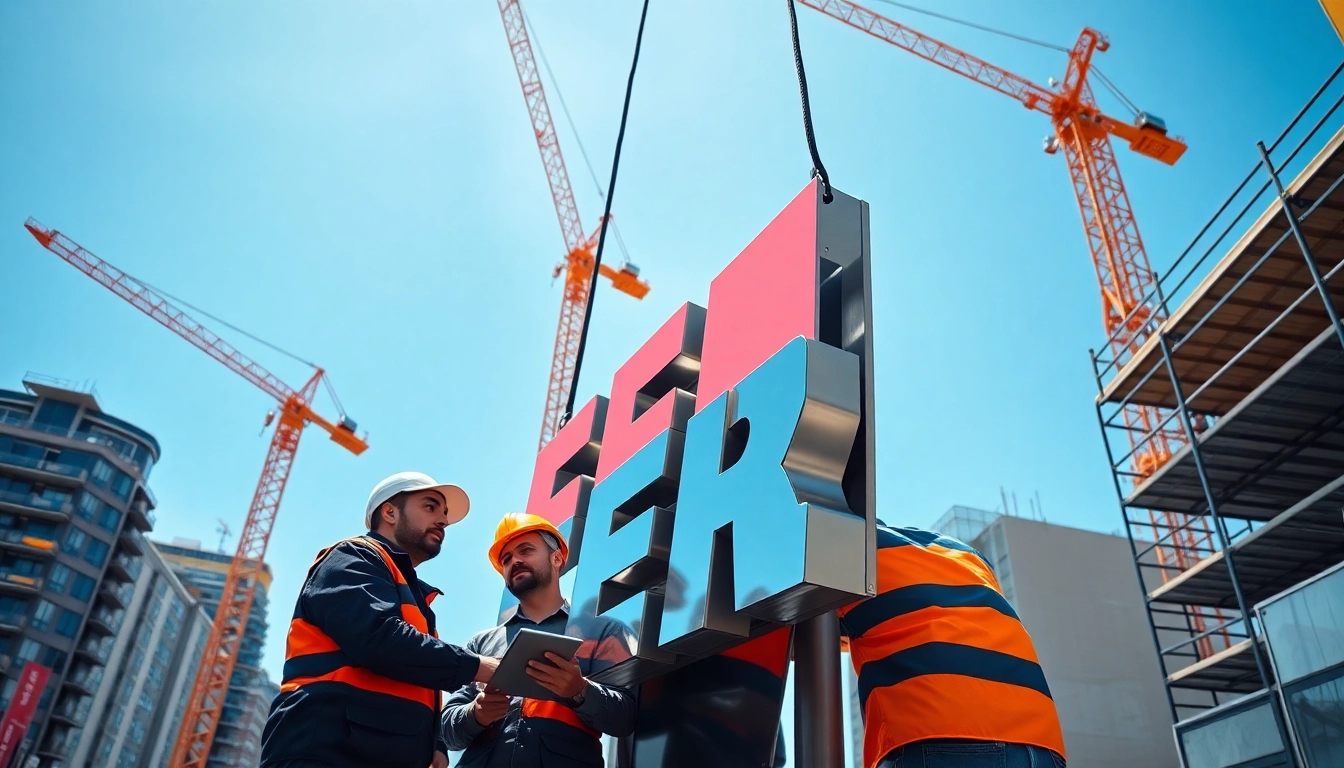
Understanding Sign Installation Basics
Sign installation is a critical aspect of business branding, as it helps attract attention and convey essential information to potential customers. Effective signage not only reflects your brand identity but also plays a crucial role in driving consumer engagement. In this comprehensive guide, we’ll explore the various elements of sign installation, from the types and tools involved to best practices and maintenance tips.
Types of Sign Installations
Choosing the right type of sign installation is key to maintaining your business’s visibility. There are several types, including:
- Outdoor Signs: These are visible from a distance and must withstand weather conditions. Examples include billboards, pylon signs, and channel letters.
- Indoor Signs: These are primarily for guiding customers within a space, such as directional signs, wall graphics, and promotional display stands.
- Temporary Signs: Suitable for events or promotions, these include banners and A-frames, designed for short-term use.
- Digital Signs: These signs utilize LED technology and can be frequently updated with new messages, providing flexibility and dynamic content delivery.
Essential Tools and Materials
Having the right tools and materials is crucial for a successful sign installation. Here’s a list of essentials:
- Tools: Level, tape measure, drill, screwdriver, utility knife, and possibly a ladder for height access.
- Materials: Signage materials like vinyl, acrylic, metal, or wood, along with mounting hardware such as screws and brackets.
Using quality tools and materials ensures durability and longevity, which can significantly reduce future costs associated with repairs or replacements.
Preparing for Successful Installations
Preparation is vital for successful sign installation. Consider the following steps:
- Survey the Site: Assess the installation area to analyze factors such as visibility, lighting, and local regulations.
- Permissions and Regulations: Check local zoning laws and obtain necessary permits before installation.
- Design Placement: Ensure the sign is strategically placed to maximize exposure while remaining compliant with regulations.
Choosing the Right Signage for Your Needs
Selecting the proper signage is fundamental in ensuring it meets your business objectives and resonates with your audience. Here are key considerations:
Evaluating Sign Types
Evaluate the types of signs that best represent your business. Factors to consider include:
- Your brand identity and message
- Target audience demographic
- Location and visibility constraints
Assessing Placement and Visibility
The placement of your sign can significantly impact its effectiveness. Consider these aspects:
- Height and Angle: Position signs for optimal visibility from the intended viewing points.
- Distance: Ensure that your sign is large enough to be readable from a distance suitable for your location.
- Surrounding Environment: Be mindful of competing visual stimuli that may distract from your sign.
Customization Options for Branding
Customizing your signage enhances your brand’s recognition. Consider:
- Colors: Use colors that align with your brand palette.
- Fonts: Choose readable and unique typography that complements your brand image.
- Graphics and Logos: Incorporate graphics that reinforce your business identity and message, ensuring it’s visually appealing.
Best Practices for Sign Installation
Implementing best practices during sign installation can help ensure it remains functional and appealing.
Safety Measures During Installation
Safety should be a top priority. Follow these tips:
- Always use personal protective equipment (PPE) like gloves and helmets.
- Secure ladders and use harnesses when working at heights.
- Communicate with your team effectively to avoid accidents during the installation process.
Professional vs. DIY Installations
While DIY installations can save money, there are cases where professional help is recommended:
- Complex Installations: Intricate designs may require specialized skills and experience.
- Large Scale Signs: Heavy or oversized signs often need professional equipment.
- Compliance Requirements: Professionals are familiar with local regulations and can ensure your installation meets legal standards.
Time Management Strategies
Effective planning can save time:
- Schedule installation during off-peak hours to minimize disruptions.
- Prepare all materials in advance to avoid delays on installation day.
- Allow for contingencies in case of unexpected challenges.
Maintaining Your Signs Post-Installation
Post-installation maintenance is crucial to keep signs looking new and functioning correctly.
Regular Inspection and Maintenance Tips
Conduct regular inspections to ensure:
- No wear and tear or fading occurs.
- Lighting (for illuminated signs) is working effectively.
- All mounting elements are secure.
How Weather Affects Sign Longevity
Severe weather conditions can negatively impact sign integrity. Consider using weather-resistant materials and protective coatings to enhance longevity.
Cleaning and Upkeep Practices
Keep your signs clean to maintain visibility and appearance:
- Use mild detergents and soft cloths to avoid scratching surfaces.
- Avoid using high-pressure washers that can damage signs.
- Schedule routine cleaning based on environmental conditions and exposure.
Measuring the Impact of Sign Installation
Understanding the effectiveness of your signage is essential for optimizing its impact.
Tracking Customer Engagement
Use customer feedback and interactions to gauge the effectiveness of your signage:
- Surveys can provide insights into customer perceptions.
- Track promotional code usage linked to specific signs to measure direct engagement.
Analyzing Sign Visibility and Traffic Data
Analyze traffic data and visibility metrics, including:
- Foot traffic counts before and after sign installation.
- Comparison of sales data to determine if increased visibility translates to higher revenue.
Adjusting Strategies Based on Performance
Regularly review performance metrics to refine strategies:
- If signs are underperforming, reassess their design, visibility, or placement.
- Implement changes based on data and feedback for continuous improvement.
FAQs About Sign Installation
What types of signage are best for outdoor environments?
Outdoor signs should be made from durable materials like aluminum or acrylic to withstand the elements, featuring UV-resistant finishes.
How often should I inspect my signs?
Signs should be inspected at least quarterly or after severe weather events to assess their condition and carry out needed maintenance.
Can I install my own signs?
Yes, but for large or complex signage, it’s advisable to hire professionals to ensure safety and compliance with regulations.
What factors affect sign visibility?
Factors include the size and positioning of the sign, the surrounding environment, lighting conditions, and the legibility of text.
How can I enhance my sign’s impact?
Incorporate eye-catching designs, strong color contrasts, and strategic placement at eye level to capture attention and convey your message effectively.