Understanding Dry and Cracked Leather
Leather is a prized material known for its durability and aesthetic appeal. However, over time, it can lose its natural oils and moisture, leading to dryness and cracking. This deterioration not only affects the leather’s appearance but also its longevity. To combat this issue, selecting the Best conditioner for dry, cracked leather is essential, as it can restore the material’s suppleness and protect it from further damage.
What Causes Leather to Dry Out?
The primary causes of dry leather include exposure to environmental factors such as sun, heat, and humidity fluctuations. Over time, oil depletion occurs naturally through regular use, while contaminants like dust and grime can further exacerbate the issue. Inadequate storage conditions, such as neglecting to cover leather items or placing them near radiators, can also lead to dryness. Understanding these causes can help in preventing leather deterioration.
Signs of Cracked Leather
Recognizing the signs of cracked leather is crucial for timely intervention. Common indicators include visible surface cracks, stiffness in the material, and a rough texture that lacks suppleness. If the leather feels brittle or shows discoloration (usually becoming lighter), it is undergoing the early stages of degradation. Addressing these signs promptly with the right conditioner can help reverse some damage.
Importance of Leather Maintenance
Regular maintenance is fundamental in prolonging the life of leather products. Some folks believe that leather can take care of itself, but neglecting to condition it properly can lead to irreversible damage. By frequently applying a high-quality conditioner, you can not only enhance the appearance of the leather but also maintain its flexibility and prevent cracks from forming. This proactive approach can significantly extend the lifespan and value of your leather items.
Selecting the Best Conditioner for Dry, Cracked Leather
Choosing the right conditioner involves understanding what makes a product effective in restoring and preserving leather. An ideal conditioner should hydrate the leather, replenish its natural oils, and provide protection against further damage.
Key Ingredients to Look For
When scouting for the best conditioner, focus on specific ingredients known for their effectiveness. Natural oils, such as mink or coconut oil, are excellent for penetrating the leather fibers and conditioning from within. Beeswax can provide a barrier against moisture and dirt. Similarly, Lanolin, a natural wax from sheep’s wool, aids in softening and protecting leather. Products enriched with vitamins and fatty acids can rejuvenate and prevent premature aging, keeping the leather supple for years.
Compatibility with Different Leather Types
Not all leather is created equal; therefore, it is crucial to select a conditioner that aligns with the specific type of leather you are treating. Full-grain leather, for example, may require a heavier conditioning regimen, while suede or nubuck might need lighter, non-greasy solutions. Always refer to product labeling to ensure compatibility to avoid damaging the material.
Environmental Considerations
Eco-conscious consumers might want to consider the environmental impact of the products they choose. Select conditioners that utilize natural, biodegradable ingredients and come in eco-friendly packaging. Additionally, look for brands that do not test on animals and are committed to sustainable practices. This way, you not only care for your leather but also contribute positively to the environment.
Step-by-Step Guide to Conditioning Leather
A meticulous approach to conditioning leather ensures optimal results. Here’s a comprehensive process to follow, which will help you achieve rejuvenated leather.
Preparation for Conditioning
Before applying any conditioner, clean the leather thoroughly to remove dust and debris. Use a soft cloth and a pH-balanced leather cleaner to ensure that there are no residues left that could interfere with the conditioning process. It’s advisable to test the cleaner on a small area first to check for colorfastness. Once it’s clean, let it dry completely to prepare the surface for the conditioner.
Applying Conditioner: Techniques and Tips
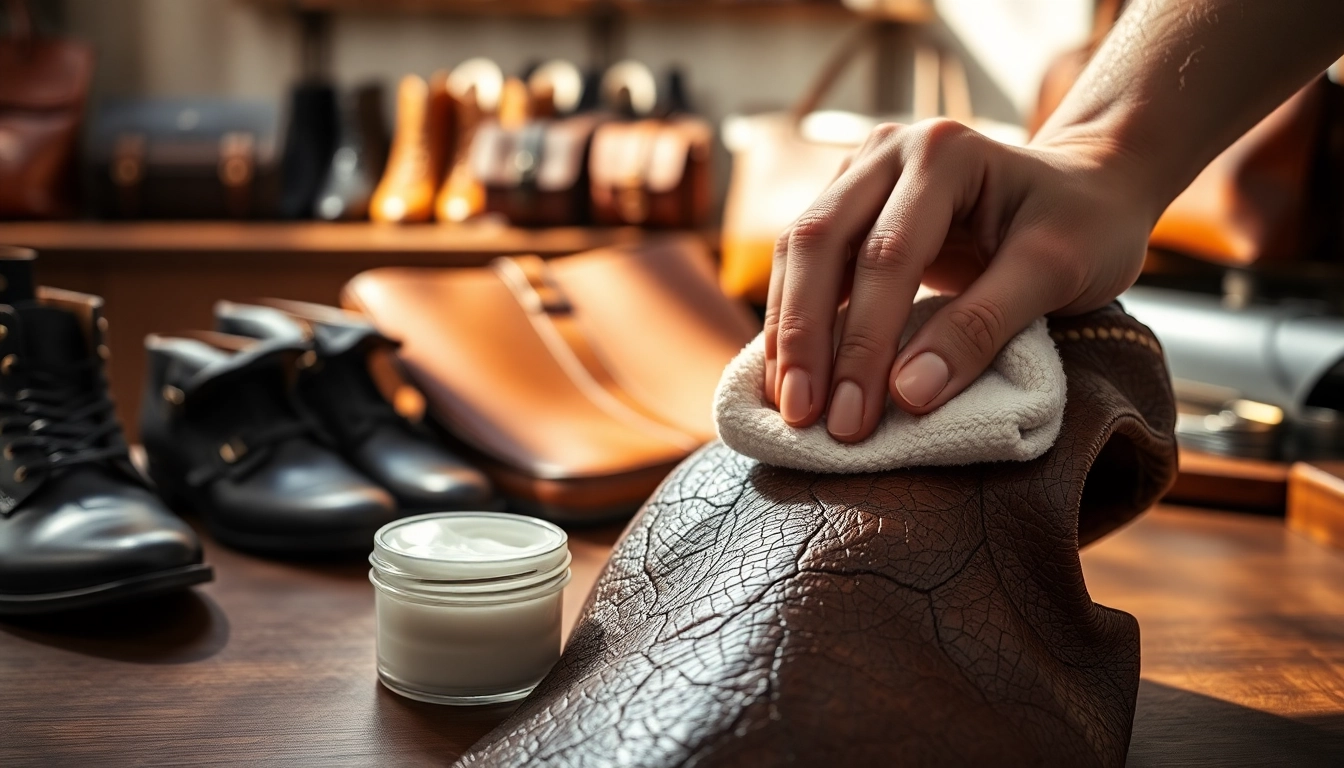
Once the leather is clean and dry, it’s time to apply the conditioner. Use a soft, lint-free cloth or sponge to apply a small amount of conditioner evenly across the surface. Work in circular motions and make sure to cover all areas, particularly focusing on seams and creases where cracks are most likely to form. Be cautious not to over-saturate the leather; a little goes a long way.
Allowing Proper Absorption
After applying the conditioner, allow it to absorb into the leather for ample time as specified by the manufacturer’s instructions. This step is essential as it enables the leather to soak up the moisture and nutrients it requires to regain its natural suppleness. Consider leaving the leather in a cool, shaded area to prevent direct sunlight from affecting the absorption process.
Common Mistakes to Avoid When Conditioning
While conditioning leather is relatively straightforward, common errors can hinder results or even damage the material.
Over-conditioning Risks
One of the most frequently made mistakes is over-conditioning. Excessive application can lead to a sticky residue or can attract dirt and grime. Always follow the recommendations regarding the amount and frequency of application to maintain optimal results and avoid the pitfalls of over-conditioning.
Using the Wrong Products
Using inappropriate products can severely damage leather. For example, some household items may contain chemicals that dry out or discolor leather. Always choose conditioners specifically designed for leather, considering the type of leather you are treating, as previously mentioned. This ensures you are not inadvertently causing more harm than good.
Ignoring Cleaning Needs
Conditioners are meant to nourish leather, but they cannot replace the necessary cleaning routine. Failing to clean leather products before conditioning can lead to a buildup of contaminants that make the conditioner ineffective. Establish that cleaning is performed regularly to maintain both cleanliness and condition.
FAQs About the Best Conditioner for Dry, Cracked Leather
What is the ideal frequency for conditioning leather?
The ideal frequency for conditioning leather depends on usage and environmental conditions. Generally, twice a year is recommended; however, more frequent applications may be needed if the leather is exposed to harsh conditions or heavy wear.
Can I use household oils as leather conditioner?
While some household oils, like olive oil, might seem convenient, they can actually clog pores and harm leather in the long run. It’s best to stick with products specifically designed for leather care to ensure proper hydration and protection.
How long does conditioner take to absorb?
Conditioners generally take 30 minutes to a few hours to absorb fully, depending on the formulation and leather type. Always refer to the product instructions for the appropriate absorption time to attain the best results.
What should I do if my leather still feels dry?
If your leather still feels dry after conditioning, it might require additional application. Be careful not to overcondition, and ensure that you’re using a compatible product for the leather type in question.
Are there age limits on leather conditioner effectiveness?
Yes, leather conditioners do have a shelf life, generally ranging from 1 to 3 years. Always check the expiration date before use to ensure maximum effectiveness and avoid using expired products that may have degraded in performance.